
Table of Contents
Yoga Training Center in Chennai | Authentic Wellness Guide
Selecting an authentic yoga training center in Chennai requires evaluating traditional lineages, international or governmental accreditations, and the practical safety standards of the curriculum. In Chennai, options such as Outdoor Yoga Chennai offer structured outdoor and online yoga sessions for different needs. Whether a practitioner is seeking an indoor boutique studio dedicated to classical posture alignment, a dynamic open-air morning class along the coast, or a comprehensive interactive online program, a high-quality training space must prioritize certified instruction. Choosing a verified institution ensures that students receive systematic training in anatomy, breathwork, and philosophy to cultivate a sustainable, lifelong practice.
Why Yoga Is Popular in Chennai
The coastal capital of Tamil Nadu stands as a profound center where centuries-old spiritual traditions seamlessly merge with a rapid, tech-driven modern economy. As the city establishes itself deeper as a major hub for information technology, automobile manufacturing, and healthcare, its residents increasingly face the physical and mental strains of high-pressure urban lifestyles. Long hours spent at office desks, coupled with lengthy daily commutes through expanding suburbs, have led to a noticeable rise in chronic postural issues, physical fatigue, and stress-related health challenges. This shifting reality has forced a collective move away from purely reactive health treatments toward proactive, holistic self-care.
The local climate and unique coastal geography also play a vital role in shaping how people choose to exercise. Known for its intense summer heat and high relative humidity, Chennai experiences its most comfortable temperatures during the early morning and late evening hours. The cool sea breeze blowing inward from the Bay of Bengal provides a perfect natural setting for deep breathing exercises (pranayama) and conscious physical movement. Recognizing the therapeutic benefits of natural light and clean ventilation, many urban residents are stepping away from crowded, artificial gym settings in favor of open, natural training environments.
Additionally, the cultural history of the region fosters a deep respect for authentic, lineage-based practices. Rather than treating wellness as a passing westernized fitness trend, the local community views it as a comprehensive science of mind-body integration. This foundational respect ensures that a typical yoga training center in Chennai focuses on genuine physiological and psychological development, making classical training accessible to the modern working professional.
Types of Yoga Classes Available in Chennai
The urban wellness landscape features a wide range of instructional formats carefully designed to match diverse physical needs, daily routines, and personal preferences.
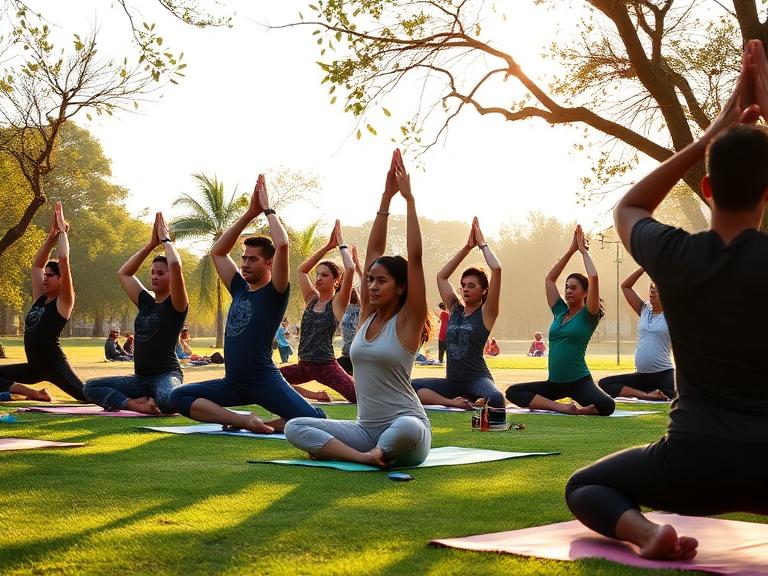
- Outdoor Yoga: Utilizing open spaces such as public parks, quiet coastal stretches, and shaded green zones allows participants to escape stagnant indoor air. These sessions maximize natural ventilation and morning sunlight, making them excellent choices for grounding and breathwork.
- Studio-Based Yoga: Traditional indoor studios provide highly controlled environments complete with specialised props such as blocks, straps, and bolsters. These locations offer fixed schedules, mirrors for self-correction, and protection from changing weather conditions.
- Online Yoga Classes: For those managing unpredictable work hours or long commutes, live virtual sessions provide real-time guidance directly at home. This format combines the privacy of personal space with the professional oversight of a certified instructor.
- Yoga for Women: Tailored specifically to support female physiological health, these programs emphasize pelvic floor strength, hormonal balance, prenatal care, and postnatal recovery in comfortable, supportive group settings.
- Beginner-Friendly Programs: Intentionally designed for individuals with limited flexibility or no prior experience, these introductory classes break down complex asanas into basic movements, ensuring a safe introduction to the practice.
What to Look for in a Good Yoga Class or Institute
Finding the right training facility in a bustling metropolitan area requires an objective checklist. An excellent educational center stands out through its strict adherence to professional training standards rather than flashy commercial advertising.
Instructor Experience and Credentials
The core strength of any reputable center rests entirely on the credentials of its teaching faculty. Legitimate trainers must hold valid, accredited certifications from recognized national or international regulatory bodies, such as the Ministry of Ayush, renowned university departments of yogic science, or international standards associations like the Yoga Alliance. Certified educators possess a deep understanding of functional human anatomy and safe movement sequencing. This specific knowledge enables them to provide precise verbal cues and gentle posture modifications that protect a student’s joints, spine, and ligaments from unnecessary strain.
Class Structure and Pacing
An authentic training program avoids random, unplanned sequencing. Instead, it follows a scientifically grounded, progressive arc that systematically prepares the musculoskeletal system while calming the nervous system. A well-designed 60 to 75-minute training session should always include:
- An initial quiet phase to encourage mental presence and focus.
- Gentle, systematic joint movements (Sukshma Vyayama) to increase circulation and lubricate joints.
- A focused posture practice (Asana), matching physical movements smoothly with specific breathing patterns.
- Structured pranayama to balance and expand respiratory capacity.
- A dedicated, uninterrupted period of deep relaxation (Savasana) to let the nervous system process and integrate the physical effort.
Safety and Adaptability
Every individual possesses a unique bone structure, joint mobility baseline, and muscular proportions. A premier training center rejects rigid, competitive attitudes and never forces a student into an uncomfortable position. Competent teachers closely observe the room and introduce essential props—such as high-density foam blocks, woven cotton straps, or firm bolsters—to ensure the practice adapts safely to the individual’s current physical capabilities, rather than risking injury for visual perfection.
Group Size vs Personalised Sessions
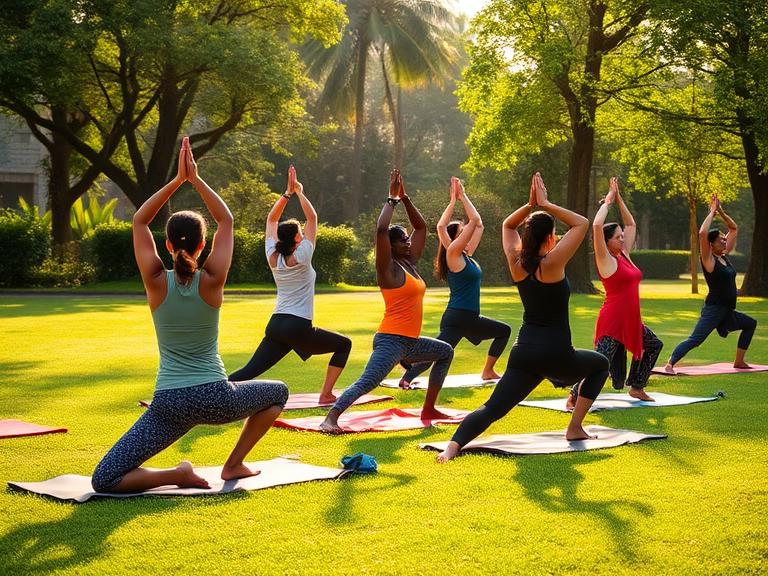
While large group formats build an encouraging community vibe and remain highly cost-effective, they naturally limit the amount of personal feedback an instructor can provide. On the other hand, smaller group sessions or one-on-one personal training ensure that a student’s specific structural alignments, historical injuries, or therapeutic wellness goals receive detailed attention. Beginners often make safer, steadier progress when starting in smaller, carefully supervised batches.
Location and Accessibility
Building a permanent wellness habit depends heavily on convenience and consistency. Selecting an institute with significant travel friction can quickly derail your motivation during high-stress weeks or heavy monsoon periods. Choosing a center located close to your home or office minimizes travel stress, making it seamless to maintain a steady, unhurried practice through changing seasons and busy routines.
Who Benefits Most From Yoga Classes
Because classical training can be dynamically scaled in physical intensity, it serves as an effective, low-impact health solution for all segments of the population.
Working Professionals
Office-bound employees frequently experience chronic lower back pain, rounded shoulders, and tight hip flexors from spending hours sitting in front of computer screens. Systematic spine extension and deep core stabilization directly address these desk-related imbalances. At the same time, intentional breathing techniques help quiet an overstimulated sympathetic nervous system, reducing mental fatigue and preventing professional burnout.
Beginners and Inactive Individuals
People trying to break out of a sedentary lifestyle can find high-intensity gym routines or competitive cross-training setups physically intimidating or risky for their joints. Yoga provides an approachable, joint-friendly entry point into movement. It allows individuals to build baseline muscle stamina, cardiovascular efficiency, and flexibility safely, without overtaxing their body or causing early injury.
Women Navigating Life Transitions
Whether regularizing reproductive health, building pelvic stability during pregnancy (prenatal care), recovering safely after childbirth (postnatal care), or navigating the natural hormonal changes of menopause, specialized, non-invasive training routines offer women an invaluable way to maintain physical strength and inner balance.
Seniors and Older Adults
As the human body ages, maintaining joint mobility and steady physical balance becomes essential for preserving personal independence. Modified, gentle training sequences safely lubricate aging joint capsules, boost overall circulation, and strengthen minor stabilizing muscle groups, which drastically reduces the risk of accidental slips or falls.
When Online or Outdoor Yoga Makes Sense
Choosing between an immersive open-air setting and a dedicated virtual platform depends primarily on your daily lifestyle, professional hours, and personal boundaries.
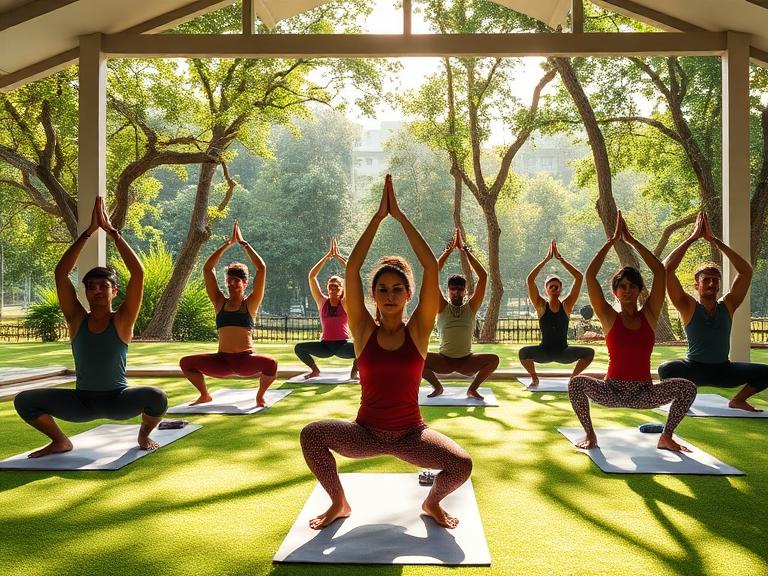
Outdoor training environments are incredibly rewarding for urban residents who spend their daylight hours confined inside closed, air-conditioned corporate complexes with little exposure to nature. Practicing on natural terrain, such as grass or sand, challenges the body’s minor stabilizing muscles far more dynamically than perfectly flat studio floors, which naturally sharpens physical balance and spatial awareness. For individuals looking to step away from digital screens and reconnect with fresh air and morning sunlight, finding a reputable yoga training center in chennai that offers structured, open-air sessions can completely revitalize a standard fitness routine.
Conversely, interactive online classes provide an excellent solution for individuals managing unpredictable work travel, family caregiving responsibilities, or heavy traffic commutes. Virtual platforms eliminate travel time entirely, allowing you to roll out your mat and start practicing within minutes. This format also offers a comfortable, private space for self-conscious beginners who prefer to build basic physical coordination and stamina at their own pace before transitioning into a live public group.
FAQs
What certifications should a valid yoga training center in Chennai hold?
A reputable center should be recognized by leading entities such as the Ministry of Ayush (Government of India), established national yoga universities, or international networks like the Yoga Alliance (USA). These credentials ensure that the training follows standardized safety and educational guidelines.
Can someone join a training center if they have zero prior experience?
Yes. Authentic centers offer foundational courses specifically tailored for complete beginners. These programs introduce basic body mechanics, proper breathing techniques, and simple movements slowly, ensuring that newcomers do not feel overwhelmed or out of depth.
What is the average duration of a standard yoga teacher training course?
A standard foundational Teacher Training Course (TTC) typically requires 200 hours of study. Depending on the format chosen, this can be completed through a 1-month intensive daily program or spread out over 2 to 3 months via weekend-only batches designed for working professionals.
Are props like blocks and straps mandatory for beginner practices?
Props are not mandatory, but they are highly recommended tools for safety and alignment. They help bring the ground closer to you if your muscles are tight, preventing you from over-straining or compromising your spinal alignment to reach a specific posture.
How much do structured yoga training programs in Chennai cost?
Pricing varies based on the specialization and depth of the course. General monthly wellness classes usually range from INR 2,500 to INR 6,000. Comprehensive professional certification programs or advanced teacher training courses generally range from INR 25,000 to INR 75,000.
Is it safe to join an outdoor training center during the summer?
Yes, provided the center schedules its sessions during the coolest hours of the day—typically sunrise (5:30 AM to 7:00 AM) or sunset (6:00 PM to 7:30 PM). Instructors emphasize proper hydration and modify the physical intensity to match weather conditions safely.
What should I look for to verify the quality of an online yoga training center?
Ensure the online center conducts live, interactive sessions rather than just providing pre-recorded videos. The instructor should require cameras to be on, maintain moderate class sizes, and actively provide personal alignment corrections using verbal guidance.
Can yoga training help with chronic lifestyle disorders like diabetes or hypertension?
While yoga cannot replace medical prescriptions, regular practice serves as an excellent complementary therapy. It lowers systemic stress, improves cardiovascular circulation, and boosts metabolic function, which helps manage lifestyle disorders under medical supervision.
What style of yoga is best for someone looking for stress relief?
Hatha yoga and restorative or yin yoga styles are ideal for stress relief. These practices move at a meditative pace, holding postures longer and emphasizing deep, slow diaphragmatic breathing, which triggers the body’s natural relaxation response.
Can individuals with old sports injuries join a professional training center?
Yes, but it is critical to get a doctor’s approval first. You must also inform your yoga teacher about your complete medical history before the session starts, allowing them to offer safe modifications that avoid aggravating old injuries.
What is the difference between a fitness gym yoga class and an authentic training center?
Gym-based classes often treat the practice purely as a physical workout, focusing heavily on speed and sweat. An authentic training center teaches it as an integrated science, balancing physical alignment with deep breathwork, mental focus, and traditional philosophy.
How long should I wait to practice yoga after eating a meal?
To prevent digestive discomfort, nausea, or cramping during twists and inversions, it is best to maintain a gap of 2.5 to 3 hours after a heavy meal. If you need a small energy boost, a light fruit can be consumed one hour before class.
Is there an age limit for enrolling in a yoga training center?
There is no upper age limit for learning. Yoga is highly adaptable; routines can be easily modified into gentle practices or chair-assisted movements to suit seniors, making it a safe and accessible discipline for individuals of all ages.
Can a regular wellness practice help improve lung capacity?
Yes. Structured pranayama training teaches you how to use your diaphragm efficiently and engage your entire lung capacity. This systematic deep breathing strengthens respiratory muscles and improves oxygen exchange throughout the body.



Leave a Comment