Rosacea Treatment in Hyderabad | Dr. Showrya Gadde
Table of Contents
Rosacea Treatment in Hyderabad | Dr. Showrya Gadde
Persistent facial redness, visible blood vessels, recurring bumps and a burning sensation can be frustrating, particularly when the symptoms appear on the cheeks, nose, forehead or chin. Sometimes, these concerns are mistaken for acne, skin sensitivity or an allergic reaction. However, they may be associated with a chronic inflammatory skin condition called rosacea.
People searching for rosacea treatment in Hyderabad may be looking for answers about why their face becomes red, what triggers flare-ups and which treatments can help manage their symptoms. The first step is an accurate diagnosis because several skin conditions can resemble rosacea but require different approaches.
Rosacea can affect people with different skin types and tones. Although it is often associated with visible redness, its symptoms vary. Some people experience flushing, while others develop acne-like bumps, visible blood vessels, skin thickening or eye irritation.
Dr. Showrya Gadde, a dermatologist in Hyderabad, provides a relevant point of contact for people seeking professional skin assessment. Treatment should be selected according to the individual’s symptoms, skin sensitivity, medical history and response to previous care.
This guide explains the common signs of rosacea, potential triggers, available treatment approaches, skincare considerations and when to consult a dermatologist.
What Is Rosacea?
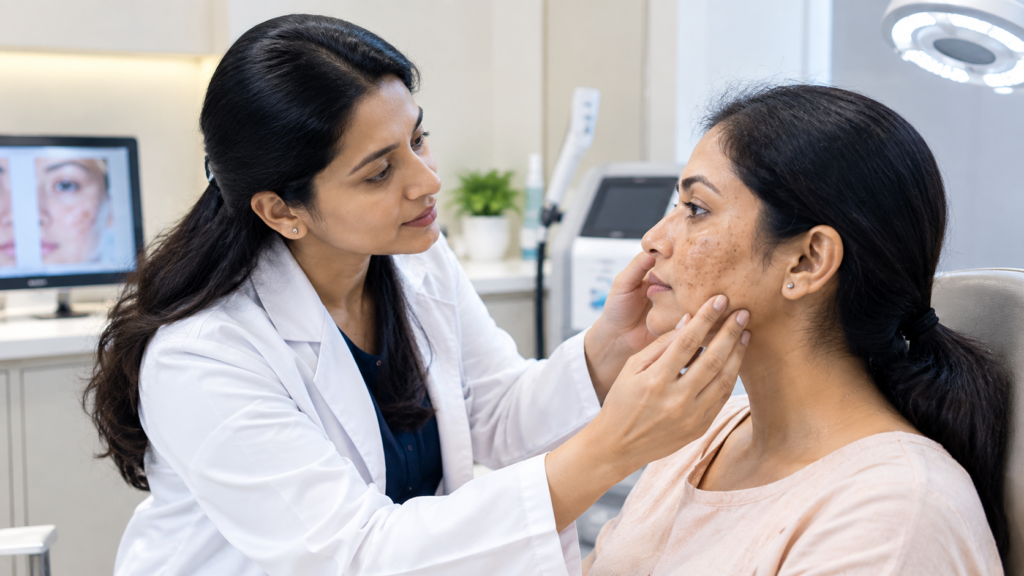
Rosacea is a long-term inflammatory skin condition that most commonly affects the central areas of the face. Its symptoms may appear intermittently, with periods when the skin looks relatively calm followed by flare-ups.
The condition is not simply ordinary blushing, and it is not the same as acne. Although the two can sometimes look similar, rosacea may involve persistent redness, flushing, visible blood vessels and sensitive skin.
Rosacea is not contagious. It cannot be spread through touching, sharing towels or close personal contact.
The exact cause is not fully understood. Factors involving the skin’s immune response, blood vessels, skin barrier and environmental triggers may contribute. A family history can also be relevant for some individuals.
Rosacea does not have one universal treatment that works for everyone. However, appropriate treatment and consistent skincare can help many people manage symptoms and reduce the frequency or severity of flare-ups.
Common Symptoms of Rosacea
Recognising the pattern of symptoms can help determine whether a professional assessment is appropriate.
1. Persistent Facial Redness
One of the most recognised signs is redness across the cheeks, nose, forehead or chin. The redness may initially appear occasionally and later become more persistent.
In some skin tones, redness can be less obvious. Warmth, sensitivity, swelling or changes in skin colour may be more noticeable than a bright red appearance.
2. Frequent Flushing
Flushing refers to episodes in which the face suddenly becomes warm or red. Heat, exercise, emotional stress, spicy foods and hot drinks may trigger episodes in some people.
Not everyone has the same triggers, so identifying individual patterns is useful.
3. Acne-Like Bumps
Some people develop small inflamed bumps or pus-filled spots. These can resemble acne, but rosacea typically does not produce the blackheads and whiteheads commonly associated with acne vulgaris.
Using acne products without confirming the diagnosis may irritate sensitive skin and worsen discomfort.
4. Visible Blood Vessels
Small blood vessels may become visible near the surface of the skin, particularly around the nose and cheeks. These are sometimes called telangiectasia.
Depending on the presentation, a dermatologist may discuss prescription treatment, vascular laser treatment or other suitable options.
5. Burning, Stinging or Skin Sensitivity
The skin may sting when exposed to water, cleansers, moisturisers or cosmetic products. A weakened or irritated skin barrier can contribute to discomfort.
Fragranced products, strong exfoliants and harsh cleansing routines may make symptoms worse.
6. Eye-Related Symptoms
Rosacea can sometimes affect the eyes and eyelids. Possible symptoms include dryness, irritation, a gritty sensation, redness or swollen eyelids.
Eye symptoms should not be ignored. Eye pain, light sensitivity or changes in vision require urgent medical assessment.
7. Skin Thickening
In some cases, particularly when rosacea has been longstanding, the skin may thicken and develop an uneven texture. This can affect the nose and is known as rhinophyma when it involves characteristic nasal thickening.
This presentation requires an individual assessment because the appropriate treatment differs from that used for flushing or inflammatory bumps.
What Causes Rosacea Flare-Ups?
Rosacea does not have one confirmed cause. Several factors may contribute to its development or influence when symptoms become more noticeable.
Commonly reported triggers include:
- Exposure to strong sunlight.
- Hot weather and sudden temperature changes.
- Hot beverages or spicy foods.
- Alcohol for some individuals.
- Intense physical activity or overheating.
- Emotional stress.
- Hot baths, saunas or steam rooms.
- Irritating skincare and cosmetic products.
- Wind and cold weather.
Triggers differ from person to person. A factor that causes a flare-up for one individual may have little effect on another.
Keeping a simple symptom diary can help identify patterns. Record when redness or irritation occurs, what products were used, the weather conditions and any relevant food or activity. This information can help a dermatologist recommend practical adjustments without requiring unnecessary restrictions.
Who Should Consider Rosacea Treatment in Hyderabad?
A consultation may be helpful if you experience:
- Facial redness that repeatedly returns or does not settle.
- Frequent flushing without an obvious explanation.
- Red bumps or pustules concentrated around the centre of the face.
- Visible blood vessels around the nose or cheeks.
- Burning, stinging or unusual sensitivity.
- Symptoms that worsen after using skincare products.
- Recurring facial irritation that has not improved with routine skincare.
- Eye irritation alongside facial redness.
You do not need to wait until symptoms become severe to seek advice. Early assessment can help distinguish rosacea from acne, contact dermatitis, seborrhoeic dermatitis and other conditions.
How Is Rosacea Diagnosed?
Rosacea is generally diagnosed through a clinical assessment rather than a single routine laboratory test.
During a consultation, a dermatologist may examine the affected areas and ask questions about:
- When the symptoms first appeared.
- Whether redness is persistent or occurs in episodes.
- The location and appearance of bumps.
- Skin sensitivity and burning sensations.
- Current skincare products and cosmetic procedures.
- Medicines and previous treatments.
- Family history and possible triggers.
- Any eye symptoms.
Photographs taken during a flare-up can be useful if the symptoms are not visible on the day of the appointment.
Additional tests are not routinely necessary for every person. They may be considered when the presentation is unusual or another condition needs to be investigated.
Accurate diagnosis matters because treatment for acne, fungal infections, allergic reactions and rosacea is not interchangeable.
Rosacea Treatment Options in Hyderabad
Treatment depends on the type of rosacea, symptom severity, skin sensitivity and individual health considerations. A dermatologist may recommend one treatment or a combination of approaches.
1. Prescription Topical Treatments
Certain prescription creams, gels or other topical formulations may help manage inflammatory bumps and pustules associated with rosacea.
The choice depends on the diagnosis and the individual’s skin. Some products can cause dryness, irritation or burning, so they should be used according to professional instructions.
Do not start prescription creams, antibiotics or steroid-containing products on your own. Inappropriate use can worsen some facial skin conditions or cause additional complications.
2. Oral Medication When Appropriate
For some people with more persistent or extensive inflammatory symptoms, a dermatologist may consider oral medication.
The decision depends on the clinical presentation, medical history, possible side effects and other medicines being taken. Oral medication is not necessary for every case of rosacea.
Pregnancy, plans for pregnancy, breastfeeding and certain health conditions can influence which medicines are appropriate. Always disclose these details during the consultation.
3. Laser and Light-Based Procedures
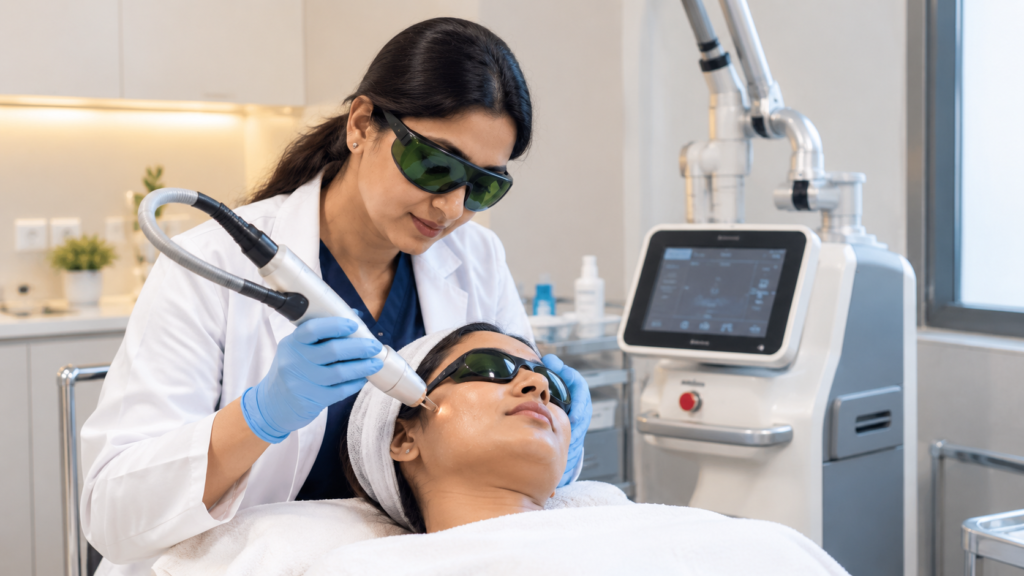
Visible blood vessels and persistent redness may sometimes be managed with selected vascular laser or light-based procedures.
The suitability of a procedure depends on the specific device, skin tone, the type of redness, medical history and the clinician’s experience. Some people require multiple sessions, and results vary.
Potential side effects include temporary redness, swelling, bruising, burns or changes in pigmentation. A consultation should include a discussion of expected benefits, limitations, alternatives and recovery.
Not every laser is designed to treat rosacea. A procedure marketed for pigmentation, rejuvenation or hair reduction should not automatically be assumed to be appropriate for facial redness.
4. Management of Skin Thickening
When rosacea causes significant skin thickening, particularly around the nose, specialist procedures may be considered.
The appropriate approach depends on the extent of thickening and the individual’s health. This is different from treating mild flushing or occasional inflammatory bumps.
5. Treatment for Eye Symptoms
Eye-related rosacea may require coordinated care, sometimes involving an ophthalmologist. Management may include eyelid hygiene, lubricating eye products or prescribed treatment, depending on the findings.
Seek urgent assessment for eye pain, sensitivity to light or blurred or reduced vision.
What Can You Expect During a Dermatology Consultation?
If you are considering rosacea treatment in Hyderabad, understanding the consultation process can make it easier to prepare.
A typical appointment may involve the following steps:
Step 1: Discuss your symptoms. Explain when the redness started, how frequently it occurs and whether you experience burning, bumps or eye irritation.
Step 2: Review previous treatments. Bring details of prescription medicines, over-the-counter products, facials, peels or laser procedures you have tried.
Step 3: Receive an assessment. The dermatologist examines the skin and considers whether the symptoms are consistent with rosacea or another condition.
Step 4: Discuss suitable options. Depending on the diagnosis, the plan may involve topical treatment, oral medication, trigger management, skincare changes or a procedure.
Step 5: Review progress. Follow-up appointments can help assess the response, identify side effects and adjust the plan when necessary.
It is reasonable to ask about treatment costs, the number of visits that may be required, recovery time and the risks associated with any proposed procedure.
Rosacea Skincare: Daily Habits That May Help
Professional treatment is only one part of rosacea management. A gentle routine may help reduce irritation and support the skin barrier.
Use a Gentle Cleanser
Choose a mild, fragrance-free cleanser that does not leave the skin feeling tight. Wash with lukewarm rather than hot water, and avoid scrubbing the face with rough cloths or brushes.
Apply Moisturiser
A moisturiser suitable for sensitive skin may help reduce dryness and discomfort. Introduce new products one at a time and discontinue a product if it repeatedly causes irritation.
Use Sun Protection
Sun exposure is a common rosacea trigger. Consider a broad-spectrum sunscreen with SPF 30 or higher, along with shade, a hat and other sun-protective measures.
If sunscreen stings, discuss alternative formulations with a dermatologist. Mineral-based products may suit some sensitive skin types, but individual responses vary.
Avoid Harsh Exfoliation
Scrubs, strong acids, retinoids and other active ingredients may aggravate symptoms in some people. This does not mean every active ingredient is unsuitable for everyone; rather, products should be chosen and introduced carefully.
Avoid starting multiple new products at once, as this makes it difficult to identify the source of irritation.
Track Personal Triggers
Use your symptom diary to determine which changes are genuinely helpful. Avoid unnecessary dietary restrictions or lifestyle changes based only on general lists of possible triggers.
Be Careful With Facial Steroids
Steroid creams should not be applied to the face unless specifically directed by an appropriate clinician. Prolonged or unsuitable use can cause skin complications and may aggravate rosacea-like symptoms.
If you have been using a steroid cream regularly, discuss how to manage it safely with your clinician rather than repeatedly changing the treatment yourself.
Rosacea Treatment for Indian Skin Types
Rosacea can affect people with Indian skin tones, although its appearance may differ across individuals. In some people, the condition is recognised through warmth, stinging, swelling or small bumps rather than obvious redness.
Pigmentation changes are also an important consideration when selecting treatment. Irritation and certain procedures can cause post-inflammatory hyperpigmentation, particularly in skin that is prone to developing dark marks after inflammation.
For this reason, a treatment plan should consider skin tone, sensitivity, previous pigmentation problems and the risks of the proposed procedure.
People with darker skin tones should not assume that all laser settings or skincare recommendations are interchangeable. Device selection, treatment settings and aftercare should be individualised by a suitably trained clinician.
How Long Does Rosacea Treatment Take?
The timeline depends on the symptoms, the treatment selected and the individual’s response.
Some people may notice improvement after several weeks of appropriate topical treatment, while other presentations require a longer period of care. Procedures may involve several sessions and recovery periods.
Rosacea is a chronic condition, so treatment generally focuses on controlling symptoms and reducing flare-ups rather than guaranteeing a permanent cure.
Symptoms may return after improvement, particularly when personal triggers remain present or treatment is discontinued. Your dermatologist can explain what to expect and whether ongoing maintenance is appropriate.
Can Rosacea Be Prevented?
There is no guaranteed way to prevent rosacea from developing. However, people who already experience the condition may be able to reduce some flare-ups through consistent management.
Helpful steps may include:
- Using gentle, suitable skincare.
- Applying sun protection regularly.
- Avoiding products that repeatedly irritate the skin.
- Identifying personal triggers.
- Following the prescribed treatment plan.
- Seeking advice when symptoms change.
- Attending follow-up appointments when recommended.
These measures support management but cannot guarantee that symptoms will never return.
Choosing a Dermatologist for Rosacea Treatment in Hyderabad
Choosing the right clinician is important because facial redness can have several causes.
Consider the following when evaluating a dermatologist:
Relevant qualifications: Check that the clinician has appropriate dermatology qualifications and experience assessing inflammatory skin conditions.
Individual assessment: Treatment should be based on your symptoms and diagnosis rather than a standard package offered to everyone.
Clear explanations: A clinician should explain available treatments, expected timelines, possible side effects and alternatives.
Appropriate procedures: If laser or light-based treatment is recommended, ask why it suits your particular presentation and what risks apply to your skin tone.
Follow-up care: Rosacea can require adjustments over time. Ask how progress and adverse reactions will be reviewed.
Transparent costs: Request details of consultation fees, medication expenses, procedure charges and possible follow-up costs before proceeding.
Dr. Showrya Gadde’s dermatology practice is based in Madhapur, Hyderabad. People considering a consultation can contact the clinic to confirm availability and whether their symptoms are suitable for assessment.
When Should You Seek Medical Advice?
Arrange a dermatology consultation if facial redness persists, recurs frequently, develops alongside inflammatory bumps or does not improve with gentle skincare.
Seek prompt medical assessment if symptoms change suddenly, become significantly painful or involve swelling that may indicate another condition.
Eye pain, light sensitivity or changes in vision require urgent medical attention because eye involvement can sometimes threaten the health of the eye if not appropriately managed.
Avoid delaying an assessment while repeatedly trying new cosmetic products or unprescribed treatments.
Frequently Asked Questions About Rosacea Treatment in Hyderabad
1. What is the best treatment for rosacea in Hyderabad?
The appropriate treatment depends on whether the main symptoms are flushing, persistent redness, inflammatory bumps, visible blood vessels or eye irritation. A dermatologist can assess the condition and recommend a suitable approach.
2. Can rosacea be cured permanently?
Rosacea is generally considered a chronic condition. Treatment can help control symptoms and reduce flare-ups, but a permanent cure cannot be guaranteed. Ongoing management may be needed.
3. How do I know if my facial redness is rosacea?
Recurring central facial redness, flushing, visible blood vessels, sensitive skin and acne-like bumps may suggest rosacea. Other conditions can look similar, so a clinical assessment is important.
4. Is rosacea the same as acne?
No. Rosacea can cause inflammatory bumps, but it typically does not produce the blackheads and whiteheads associated with common acne. The distinction matters because treatment options differ.
5. Does rosacea affect Indian skin?
Yes. Rosacea can affect people with Indian skin tones. Redness may be less obvious in some individuals, so warmth, irritation, swelling and inflammatory bumps can be useful clues.
6. Can laser treatment help rosacea?
Selected vascular lasers or light-based procedures may help some people with visible blood vessels or persistent redness. Suitability, expected results and risks depend on the individual and the device used.
7. How many sessions are needed for rosacea laser treatment?
There is no single number suitable for everyone. The number of sessions depends on the treatment device, the area being treated, symptom severity and response. The clinician should explain the expected treatment plan before starting.
8. Is rosacea treatment painful?
The experience varies with the treatment. Topical products may sting or irritate sensitive skin, while procedures can cause temporary discomfort. Ask the treating clinician about pain management and expected recovery.
9. What triggers rosacea flare-ups?
Potential triggers include sunlight, heat, temperature changes, spicy food, hot drinks, stress and irritating skincare products. Individual triggers vary, so tracking symptoms can help identify relevant patterns.
10. Which skincare products should I avoid if I have rosacea?
Products that repeatedly cause burning or irritation should be avoided. Harsh scrubs, fragranced products and strong exfoliants can aggravate symptoms in some people. A dermatologist can help select appropriate alternatives.
11. Can sunscreen help manage rosacea?
Sun protection is important because sunlight can trigger flare-ups in some people. A broad-spectrum sunscreen with SPF 30 or higher, combined with shade and protective clothing, may help reduce sun-related irritation.
12. Can rosacea cause permanent skin damage?
Rosacea can sometimes cause persistent visible blood vessels or skin thickening. Eye involvement can also lead to complications if not treated appropriately. Early assessment helps identify the relevant risks and management options.
13. Can rosacea affect the eyes?
Yes. Eye-related rosacea may cause dryness, irritation, redness or a gritty sensation. Eye pain, light sensitivity or changes in vision require urgent medical assessment.
14. Is rosacea treatment safe for sensitive skin?
Treatment can often be adapted for sensitive skin, but no option is risk-free. The dermatologist should consider your skin barrier, medical history, skin tone and previous reactions before recommending medication or procedures.
15. Can I use home remedies for rosacea?
Gentle skincare and avoiding known triggers may help with symptom management. However, irritating home remedies, harsh scrubs or unverified products can worsen inflammation. Home care should not replace assessment when symptoms persist.
16. How long does it take to see improvement from rosacea treatment?
The timeline depends on the treatment and the type of rosacea. Some therapies require several weeks before improvement becomes noticeable, while procedures or more persistent symptoms may require a longer plan.
17. Can rosacea be mistaken for an allergy?
Yes. Rosacea, contact dermatitis and other skin conditions may share features such as redness and irritation. A dermatologist can assess the pattern of symptoms and determine whether further investigation is needed.
18. Should I stop using all skincare products if I have rosacea?
Not necessarily. A simple routine using a gentle cleanser, suitable moisturiser and sunscreen may be helpful. Products should be reviewed individually, especially if they cause repeated irritation.
19. When should I consult a dermatologist in Madhapur, Hyderabad?
Consider an appointment if redness persists, flare-ups recur, bumps develop or ordinary skincare causes repeated discomfort. Seek urgent care for eye pain, light sensitivity or vision changes.
20. How can I prepare for a rosacea consultation?
Make a list of your symptoms, medicines and skincare products. Bring photographs showing flare-ups if possible, and note potential triggers and previous treatments. This information can help the dermatologist assess your condition.
Conclusion
Rosacea can cause persistent facial redness, flushing, visible blood vessels, inflammatory bumps and skin sensitivity. Although it is a chronic condition, an appropriate treatment plan can help many people manage symptoms and improve their day-to-day comfort.
The best approach depends on the individual’s diagnosis, skin tone, symptoms and medical history. Gentle skincare, sun protection, trigger awareness and professional guidance can all contribute to effective management.
If you are researching rosacea treatment in Hyderabad, consider a consultation with a qualified dermatologist to confirm the diagnosis and discuss suitable options. Dr. Showrya Gadde’s clinic in Madhapur can be contacted to enquire about an appointment and the availability of relevant dermatology services.

Related Posts

Comprehensive Pregnancy Risk Assessment in Hyderabad | MFM Protocols & Centers

Best Hosting for Online Stores | Ecommerce Hosting