

Is Pain Management Treatment Safe? What Patients Should Know
Table of Contents
Is Pain Management Treatment Safe? What Patients Should Know
Safety is one of the most common concerns people have when considering pain management treatment. Many patients worry about side effects, long-term risks, or whether pain treatments might cause more harm than good. These concerns are understandable—especially when pain has been present for a long time.
The reassuring reality is that modern pain management treatments are generally safe when properly evaluated, planned, and performed by trained specialists. Understanding how pain management works and what factors influence safety can help patients make informed decisions.

What Does “Pain Management Treatment” Include?
Pain management is not a single treatment. It is a structured medical approach that may involve one or more of the following:
- Lifestyle and activity guidance
- Physical therapy coordination
- Short-term medication use
- Image-guided pain procedures
- Multidisciplinary care when needed
The goal is not just pain relief, but safe, long-term improvement in function and quality of life.
Is Pain Management Treatment Safe Overall?
In general, yes—pain management treatment is considered safe, particularly when:
- The treatment is evidence-based
- The pain source is accurately diagnosed
- The approach is individualized
- The specialist is properly trained
Many modern pain treatments are minimally invasive and designed to reduce the need for long-term medications or surgery.
Factors That Make Pain Management Safer
1. Accurate Diagnosis
Safety begins with identifying the true cause of pain. Treating symptoms without understanding the pain source increases risk and reduces effectiveness.
Pain specialists focus on:
- Pain patterns
- Functional limitations
- Imaging and clinical findings
This helps ensure treatments are necessary and appropriate.
2. Specialist Training and Experience
Pain management is safest when performed by doctors trained in:
- Anatomy and nerve pathways
- Medication interactions and side effects
- Image-guided techniques
Many pain specialists come from anaesthesiology backgrounds, which emphasizes patient safety, monitoring, and medication precision. For example, anaesthesiologists like Dr. Purohithi, who work in pain management settings, are trained to balance pain relief with patient safety—particularly in procedures involving nerves or injections.
3. Use of Image-Guided Techniques
One of the biggest safety advancements in pain management is the use of ultrasound or fluoroscopy guidance.
These techniques help:
- Place injections accurately
- Avoid blood vessels and nerves
- Reduce complications
- Use the lowest effective medication dose
Image guidance significantly improves both safety and outcomes compared to blind injections.
4. Individualized Treatment Plans
No two patients experience pain in the same way. Safe pain management considers:
- Age and overall health
- Existing medical conditions
- Medications already being taken
- Lifestyle and activity level
This personalized approach reduces unnecessary interventions and lowers risk.

Are Pain Injections Safe?
Pain injections often raise concerns, but when properly performed, they are generally safe.
Common Safety Measures Include:
- Sterile techniques to prevent infection
- Imaging guidance for precision
- Careful medication selection
- Post-procedure monitoring
Most side effects, if they occur, are mild and temporary. Serious complications are rare when injections are done by experienced specialists.
What About Long-Term Safety?
One advantage of pain management is that it often reduces long-term risk rather than increasing it.
Compared to prolonged use of oral painkillers, pain management treatments may:
- Lower medication dependence
- Reduce gastrointestinal or kidney risks
- Improve physical activity and mobility
- Prevent worsening of chronic pain
Long-term safety improves when pain is addressed early and strategically.
Is Pain Management Safe for Elderly Patients?
Yes, pain management is often especially beneficial for older adults when carefully planned.
Elderly patients may not tolerate long-term medications well. Targeted pain treatments, guided by imaging and adjusted dosing, can offer relief with fewer systemic side effects.
Specialists experienced in treating different age groups prioritize conservative and safe approaches.
Common Myths About Pain Management Safety
“Pain management always means strong drugs”
In reality, modern pain care focuses on targeted treatments, not just medications.
“Pain injections damage nerves”
When image-guided and properly performed, injections are designed to protect nerves, not harm them.
“Pain management is only for severe cases”
Early pain care can actually prevent pain from becoming severe or chronic.
When Is Pain Management Not Recommended?
Pain management may be delayed or modified if:
- An active infection is present
- Certain medical conditions are uncontrolled
- Further diagnostic clarity is needed
A responsible pain specialist will always prioritize safety over urgency.
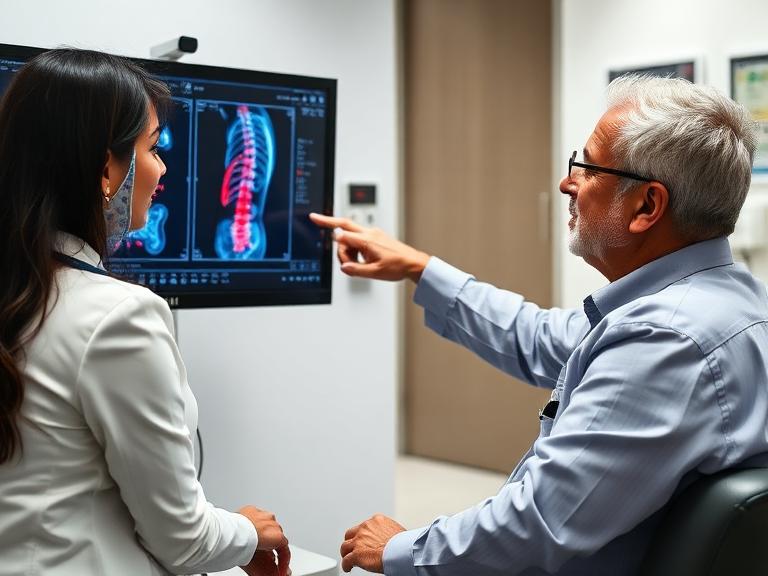
Choosing Safe Pain Management Care
If you are considering pain management, look for:
- Clear explanation of treatment options
- Discussion of risks and benefits
- Willingness to answer questions
- A conservative, stepwise approach
At centres such as Apollo Medical Centre, pain management is typically guided by specialists who combine medical knowledge with procedural expertise. Clinicians like Dr. Purohithi, trained in anaesthesiology and pain care, focus on safe decision-making, patient education, and careful monitoring rather than aggressive treatment.
Final Takeaway for Patients
Pain management treatment is generally safe, especially when:
- Guided by proper diagnosis
- Performed by trained specialists
- Supported by modern imaging techniques
- Tailored to the individual patient
If pain is persistent, affecting daily life, or not responding to basic care, seeking expert advice can help you understand safe options rather than continuing to suffer unnecessarily.