

Table of Contents
The Rise of Emotionally Intelligent Parenting Apps
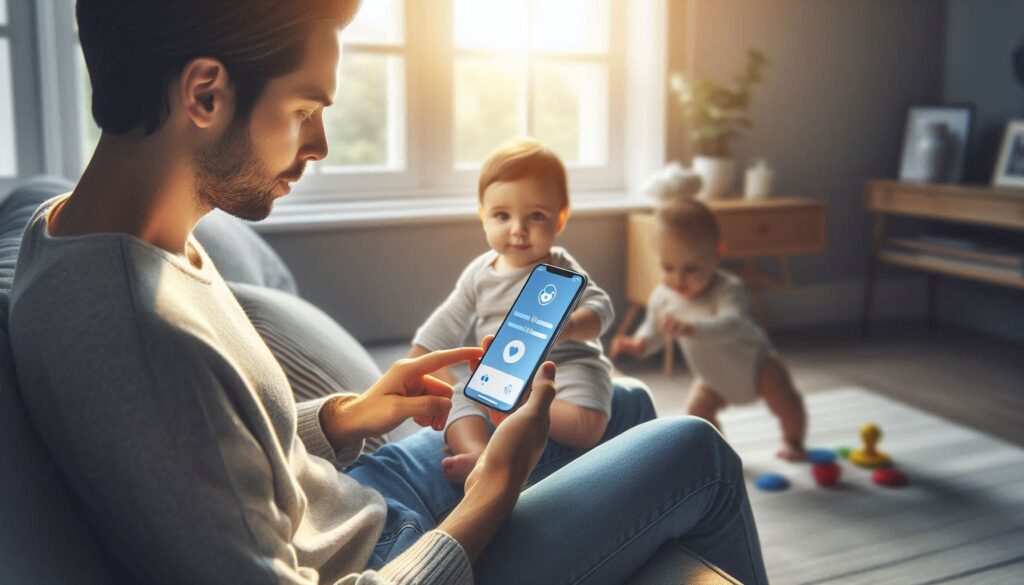
Parenting has always been part instinct, part chaos — but in 2025, it’s also part artificial intelligence.
Across the world — from busy families in the UK and USA to relaxed Nordic households — parents are now leaning on Emotionally Intelligent Parenting Apps to navigate everyday parenting with more calm, empathy, and insight.
Unlike the cold, robotic “tech” we once imagined, modern AI parenting tools now feel human. They listen, understand moods, and even predict stress before it builds.
🧠 1. The Shift from Data to Emotion
Traditional parenting apps helped track schedules, sleep cycles, and milestones. But AI has changed that dynamic.
Now, apps like TinyPal and MindNest use Emotional AI (EAI) to sense tone, timing, and behavioral signals from user interactions — creating insights such as:
- “You might be feeling overwhelmed; consider a 5-minute mindfulness break.”
- “Your toddler’s nap schedule seems off by 30 minutes; shall we adjust?”
“It feels like the app understands me better than my calendar ever did,” says Aanya, a parent from India.
🌍 2. Global Adoption – From Silicon Valley to Stockholm
In the USA, AI-driven parenting apps focus on time management and mental load reduction. Parents love auto-scheduling features that sync work and family life.
In the UK, privacy-first apps dominate — integrating AI that runs locally on devices, not cloud servers.

Meanwhile, in Nordic regions, emotionally intelligent apps help parents balance mindful routines and emotional check-ins.
“The best parenting app is one that respects silence,” shares Jonas, Finland.
👶 3. Smarter Child Development Insights
AI models now analyze developmental milestones, matching them against pediatric benchmarks.
For example, if a child’s speech entries show delayed vocabulary, the app gently suggests reading-based playtime or speech prompts.
Parents describe these nudges as “non-judgmental helpers” rather than warnings.
“It’s like having a pediatrician’s intuition, but always in your pocket,” says Samantha, USA.
💬 4. Real Reviews from Parents Worldwide
- “AI reminders helped me not just remember — but relax.” – Aarti, India
- “The tone is warm, not pushy. That matters.” – Lily, UK
- “It’s not about controlling kids; it’s about understanding patterns.” – Erik, Norway
- “AI helps me track our emotional rhythm, not just our chores.” – Claire, USA
Across reviews, parents agree on one truth: AI helps them reconnect — not replace their instincts.

🧩 5. The Ethical Side of AI Parenting
Transparency and empathy are now non-negotiable. Modern parenting apps emphasize:
- GDPR-compliant privacy
- No child profiling
- On-device AI computation
- Opt-in emotional tracking
The best AI parenting tools — like TinyPal and LearnGrow — combine data protection with emotional wellness, setting a new ethical standard for family tech.
💡 6. What the Future Holds
Experts predict that by 2026, over 65% of parenting apps will integrate emotional or predictive AI.
The next evolution: AI co-parents that anticipate needs and maintain empathy while guiding family routines.
Imagine:
- A bedtime AI that adapts lullaby volume based on ambient noise
- A morning planner that balances chores with parent energy levels
- Emotional feedback loops that build stronger family communication
AI won’t parent your child — but it might just help you parent with more peace.

🌈 Final Thoughts
Parenting in 2025 isn’t about perfection. It’s about awareness, emotional rhythm, and balance.
AI isn’t replacing intuition — it’s refining it.
As one parent beautifully said:
“It’s not the app raising my child; it’s the calm it gives me that changes everything.”


Leave a Comment