Home EV Charger Installation in Hyderabad | Guide
Table of Contents
Home EV Charger Installation in Hyderabad | Guide
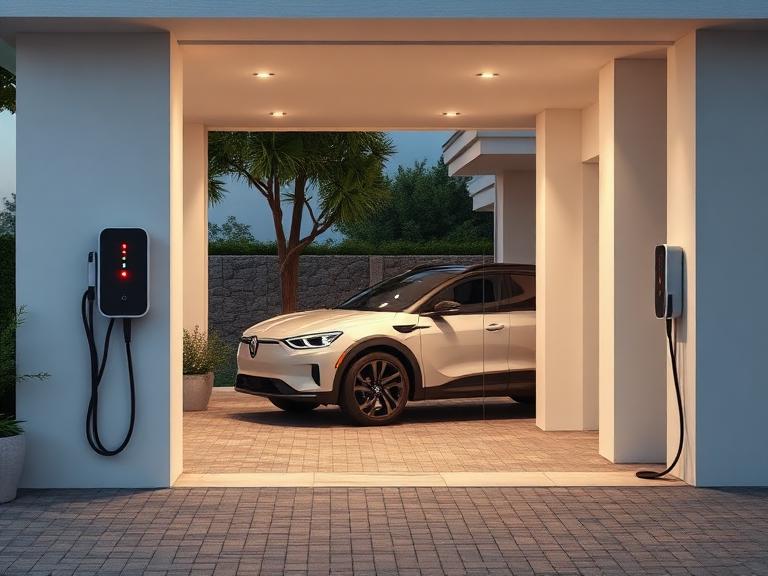
As electric vehicles become increasingly common, home charging is becoming an important consideration for EV owners. Instead of depending entirely on public charging stations, homeowners can install a dedicated EV charging point at their residence and charge their vehicle while it is parked.
For people searching for Home EV Charger Installation in Hyderabad, the process involves more than purchasing a charger and connecting it to an electrical outlet. Charger selection, electrical capacity, cable routing, protection systems, parking arrangements, earthing, installation location, and future charging requirements should all be considered.
A professionally planned home charging setup can provide a convenient way to charge an EV at a residential property while integrating the charger appropriately with the home’s electrical infrastructure.
This guide explains how home EV charger installation works, which charger types may be suitable, what electrical considerations homeowners should understand, and how to maintain a residential charging system.
What Is a Home EV Charger?
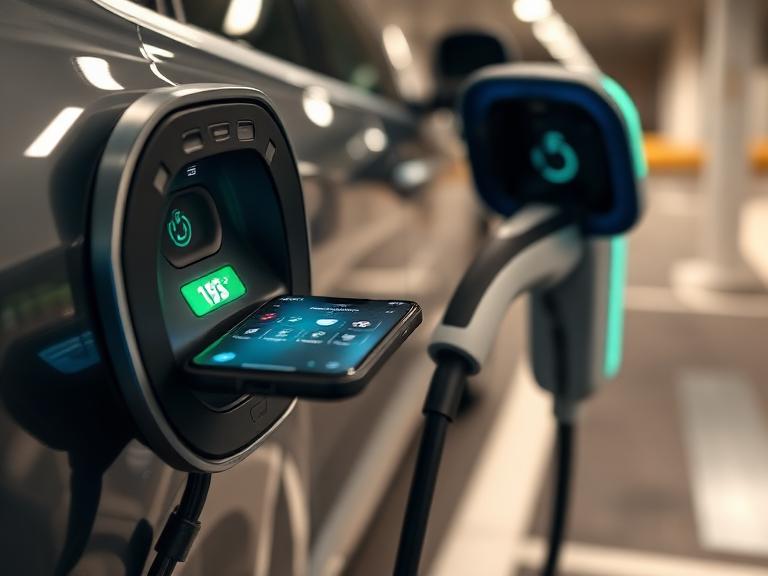
A home EV charger is equipment designed to supply electrical energy to an electric vehicle from a residential electrical installation.
Depending on the equipment, a home charger can offer features such as:
- Dedicated charging
- Controlled charging power
- Charging-status indicators
- Safety protection
- Mobile-app connectivity
- Charging schedules
- Energy monitoring
- Smart charging
- Remote monitoring
The appropriate charger depends on the EV model, available electrical supply, parking location, charging requirements, and manufacturer’s specifications.
Why Install an EV Charger at Home?
Home charging can be useful for EV owners who regularly park their vehicle at their residence.
Convenient Charging
A vehicle can be connected when it is parked at home, reducing the need to make separate trips specifically for charging.
Overnight Charging
Many EV owners leave their vehicles parked overnight, making home charging suitable for replenishing energy during longer parking periods.
Dedicated Charging Point
A properly installed home charger provides a dedicated charging solution rather than relying on an unsuitable general-purpose electrical outlet.
Better Charging Management
Smart home chargers can offer scheduling, monitoring, and other management features depending on the model.
Suitable for Regular EV Use
Home charging can complement public charging, particularly for drivers whose daily travel patterns are predictable.
What Type of EV Charger Is Suitable for a Home?
For many residential applications, AC EV chargers are a practical option.
AC chargers can be installed in:
- Independent houses
- Villas
- Residential parking areas
- Private garages
- Some apartment parking facilities
The appropriate charging power should be determined according to the EV’s charging capability and the home’s electrical infrastructure.
A higher-rated charger does not automatically mean faster charging if the vehicle or electrical system cannot support the additional power.
AC EV Chargers for Home
AC charging is commonly associated with residential EV charging because vehicles can remain parked for several hours.
Homeowners should consider:
- EV charging capacity
- Available electrical load
- Charger rating
- Cable length
- Parking location
- Installation distance
- Electrical protection
- Earthing
- Weather exposure
The installation should be designed so that the charger operates within the capabilities of the home’s electrical system.
Can You Install a DC Fast Charger at Home?
Technically, residential properties may have different possibilities depending on the site and electrical infrastructure, but DC fast charging is generally a much more substantial installation than typical home AC charging.
DC fast charging equipment can involve:
- Higher power requirements
- Larger electrical infrastructure
- Additional space
- More complex installation
- Higher equipment costs
- Greater thermal and electrical requirements
For most homeowners, the appropriate charging solution should be selected based on actual daily charging needs rather than simply choosing the highest available power.
Electrical Requirements for Home EV Charger Installation
Electrical planning is one of the most important parts of residential charger installation.
Before installation, a professional may assess:
- Main electrical connection
- Available load
- Distribution board
- Wiring
- Circuit protection
- Earthing
- Cable routing
- Charger location
- Distance between electrical panel and charger
- Potential future electrical demand
If the existing electrical infrastructure is not suitable for the proposed charger, modifications may be required.
Why Electrical Load Assessment Matters
An EV charger adds an electrical load to the property.
A home may already use electricity for:
- Air conditioners
- Refrigerators
- Water heaters
- Washing machines
- Pumps
- Kitchen appliances
- Lighting
- Other equipment
Adding an EV charger without considering the existing load can create electrical-management challenges.
A professional assessment helps determine whether the proposed charger can be accommodated appropriately.
Home EV Charger Installation Process
A professional installation generally involves several stages.
Step 1: Understand the EV
The vehicle’s charging capability and connector requirements should be identified.
Step 2: Inspect the Property
The installer evaluates the electrical infrastructure and proposed charger location.
Step 3: Select the Charger
The charger is selected based on vehicle requirements, electrical capacity, charging needs, and available features.
Step 4: Plan Cable Routing
The electrical connection between the distribution point and charger should be planned safely and practically.
Step 5: Install Protection
Appropriate electrical protection should be incorporated according to the equipment and installation requirements.
Step 6: Mount the Charger
The charger is securely installed at the selected location.
Step 7: Connect the Electrical Supply
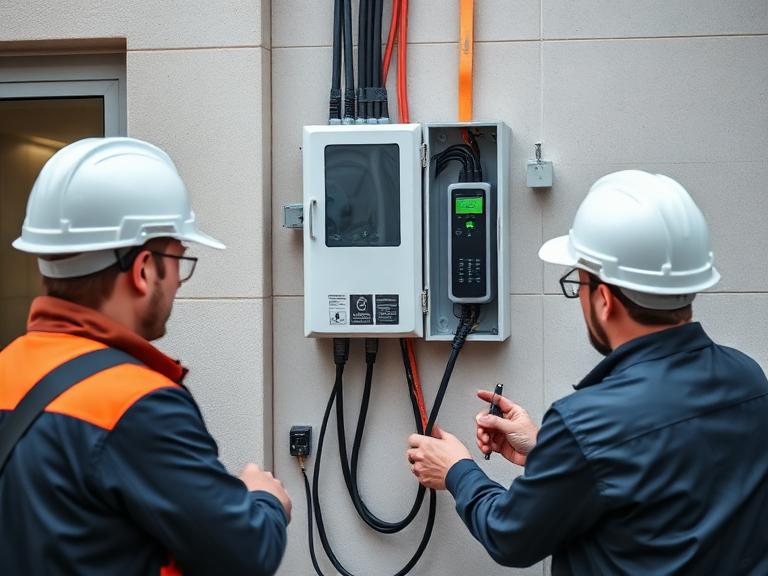
Qualified personnel complete the electrical connection and associated installation work.
Step 8: Test the Installation
The charger and associated electrical system should be tested before regular use.
Step 9: Configure Smart Features
If applicable, networking, mobile applications, scheduling, and monitoring functions can be configured.
Where Should a Home EV Charger Be Installed?
The installation location should provide convenient access to the vehicle while maintaining appropriate safety and cable management.
Potential locations include:
- Private garage
- Covered parking
- Exterior wall
- Dedicated parking bay
- Villa parking area
Important considerations include:
Distance to the Vehicle
The charger should be positioned so the cable can reach the vehicle without excessive tension.
Protection From the Environment
Outdoor equipment should be appropriate for its installation environment.
Cable Management
Cables should be routed and stored to minimize damage and trip hazards.
Vehicle Movement
The charger should not interfere with normal vehicle movement.
Electrical Access
The installation location should allow practical connection to the electrical system.
Home EV Charger Installation in Apartments
Apartment charging can require additional planning compared with an independent house.
Potential considerations include:
- Assigned parking
- Electrical supply
- Common-area infrastructure
- Building management policies
- Cable routing
- Metering
- Load allocation
- Multiple residents requiring charging
Residents may need to coordinate with the apartment association, property management, or relevant facility authorities before installation.
A scalable approach can be particularly useful for apartment communities expecting multiple EV users.
Smart EV Chargers for Homes
Smart EV chargers can provide additional control and monitoring capabilities.
Depending on the charger and software platform, features may include:
- Mobile-app monitoring
- Charging schedules
- Energy tracking
- Remote start/stop
- Notifications
- Usage history
- Network connectivity
Smart functionality can be useful for homeowners who want visibility into charging activity.
Home EV Charging Safety
Safety is an essential part of EV charger installation.
A residential charging installation should consider:
- Appropriate electrical protection
- Proper earthing
- Correct cable sizing
- Secure connections
- Charger placement
- Environmental conditions
- Cable management
- Manufacturer requirements
Homeowners should never attempt internal electrical modifications to an EV charger.
If a charger develops an electrical fault, unusual heating, burning smell, damaged cable, or repeated circuit-breaker trips, charging should be stopped and the equipment inspected by a qualified professional.
Common Home EV Charging Problems
Even properly installed chargers can occasionally experience issues.
Common problems include:
- Charger not powering on
- EV not detecting the charger
- Slow charging
- Charging stopping unexpectedly
- Network connection failure
- App problems
- Connector issues
- Error messages
- Circuit breaker trips
- Overheating
Basic troubleshooting should follow the charger manufacturer’s instructions.
Persistent problems should be professionally diagnosed rather than repeatedly resetting electrical protection devices.
Home EV Charger Maintenance
Installation should be followed by appropriate maintenance.
Routine checks may include:
- Charger condition
- Cable inspection
- Connector inspection
- Electrical connections
- Protection systems
- Software
- Network connectivity
- Charging performance
Homeowners should also keep the charging area clear and avoid placing heavy objects on cables.
For businesses and residential communities with multiple chargers, professional maintenance arrangements can provide a more structured approach to equipment servicing.
How Much Does Home EV Charger Installation Cost in Hyderabad?
There is no universal installation price because residential charging projects vary significantly.
Factors affecting the total cost can include:
- Charger model
- Charger power
- Cable length
- Electrical upgrades
- Installation complexity
- Mounting requirements
- Protection equipment
- Distribution-board modifications
- Civil work
- Networking
- Smart-charging features
A site assessment is generally required to determine the actual installation requirements.
Homeowners should evaluate the complete installation rather than comparing charger hardware prices alone.
How Long Does Home EV Charger Installation Take?
Installation time depends on the complexity of the project.
A relatively straightforward installation may involve fewer modifications, while a property requiring longer cable routes, electrical upgrades, civil work, or additional protection may take longer.
Factors include:
- Charger location
- Distance from electrical panel
- Electrical infrastructure
- Cable routing
- Wall or mounting requirements
- Required upgrades
- Testing and configuration
A professional installer can provide a more accurate timeline after assessing the property.
How to Choose a Home EV Charger Installation Company in Hyderabad
When selecting an installation provider, homeowners should consider several factors.
Technical Experience
The provider should understand residential EV charging requirements and the relevant charger technology.
Site Assessment
A proper installation should account for the actual property rather than relying solely on generic installation assumptions.
Electrical Expertise
The installation involves electrical infrastructure and should be handled by appropriately qualified professionals.
Charger Compatibility
The selected charger should be compatible with the EV and intended electrical installation.
Safety
The provider should follow appropriate installation and testing procedures.
Maintenance Support
Ask about technical support and servicing after installation.
Why Choose ZyCharge for Home EV Charger Installation?
ZyCharge Energies Pvt. Ltd. provides EV charging infrastructure solutions including AC EV chargers, DC fast chargers, installation, charging station setup, maintenance, CPO services, and customized EV charging infrastructure.
For residential EV owners, the appropriate home charging solution depends on the vehicle, available electrical capacity, parking arrangement, charger requirements, and expected charging pattern.
A professional approach can help homeowners assess these factors before installing a dedicated charging system.
18 Frequently Asked Questions
1. What is Home EV Charger Installation in Hyderabad?
Home EV Charger Installation in Hyderabad involves installing a dedicated EV charging system at a residential property, such as a house, villa, or suitable private parking location.
2. Which EV charger is suitable for home use?
AC EV chargers are commonly considered for residential applications because vehicles can remain parked for several hours. The appropriate charger depends on the vehicle and property’s electrical capacity.
3. Can I install an EV charger at my house?
Yes, subject to the property’s electrical infrastructure, available load, suitable installation location, and applicable requirements.
4. Can I install an EV charger in an apartment?
Potentially. Apartment installations may require coordination regarding parking, electrical supply, cable routing, metering, and building-management requirements.
5. Do I need a dedicated circuit for an EV charger?
The appropriate electrical arrangement depends on the charger and installation. A qualified professional should determine the required circuit and protection based on the equipment specifications and site conditions.
6. How much does home EV charger installation cost in Hyderabad?
The cost varies based on the charger, installation complexity, cable distance, electrical upgrades, protection equipment, civil work, and other site-specific requirements.
7. How long does home EV charger installation take?
The installation timeline depends on site conditions, electrical work, charger location, cable routing, and whether infrastructure modifications are required.
8. Can I use a normal household socket to charge my EV?
Some EVs may support charging through suitable portable charging equipment, but a dedicated EV charger can provide a more structured residential charging solution. The appropriate method depends on the vehicle, equipment, electrical installation, and manufacturer’s requirements.
9. Is a smart EV charger useful for home charging?
Smart chargers can provide features such as charging schedules, remote monitoring, energy tracking, notifications, and app-based control, depending on the model.
10. Does my home need an electrical upgrade for an EV charger?
Not necessarily. It depends on the existing electrical capacity and the proposed charger. A professional load assessment can determine whether an upgrade is required.
11. Can an EV charger be installed outdoors?
Yes, where the charger is designed and rated for the intended environmental conditions and the installation is appropriately planned.
12. How often should a home EV charger be maintained?
Maintenance requirements depend on the charger manufacturer, usage, environment, and equipment condition. Periodic inspection is advisable, especially if the charger develops recurring problems.
13. Why is my home EV charger charging slowly?
Charging speed can be affected by charger capacity, vehicle charging capability, battery condition and temperature, electrical supply, and charging settings.
14. Why does my home EV charger keep stopping?
Possible causes include electrical issues, connector problems, communication errors, vehicle-side issues, thermal protection, or charger faults.
15. Can I install a DC fast charger at home?
DC fast charging generally requires substantially greater electrical and installation infrastructure than typical home AC charging. Suitability depends on the property and its electrical capacity.
16. Is home EV charging safe?
A properly designed, installed, and maintained charging system can provide a suitable method for residential EV charging. Installation should be performed by qualified professionals and according to equipment and electrical requirements.
17. What should I do if my EV charger overheats?
Stop charging if the equipment shows signs of unsafe overheating and follow the manufacturer’s safety instructions. Repeated overheating should be professionally inspected.
18. Should I choose a higher-power charger for future use?
Not necessarily. Charger selection should consider the EV’s capabilities, electrical infrastructure, current charging requirements, and potential future needs. A scalable electrical design may be more useful than simply selecting the highest-rated charger.
Conclusion
Home EV Charger Installation in Hyderabad can provide EV owners with a convenient and dedicated way to charge their vehicles at home. However, successful installation requires more than selecting a charger.
The vehicle’s charging capability, residential electrical capacity, parking arrangement, cable routing, protection systems, charger location, and future requirements should all be considered before installation.
For many residential applications, AC EV chargers can provide a practical solution because vehicles often remain parked for several hours. Smart chargers can also provide additional monitoring and scheduling features.
Apartment residents may need additional planning because parking, common electrical infrastructure, metering, and building-management requirements can affect installation.
Most importantly, residential EV chargers should be installed and tested by appropriately qualified professionals. Regular inspection and maintenance can also help identify developing problems and maintain dependable charging performance.
For homeowners considering Home EV Charger Installation in Hyderabad, a site-specific assessment is the appropriate starting point for determining the charger type, electrical requirements, installation method, and long-term charging setup.