
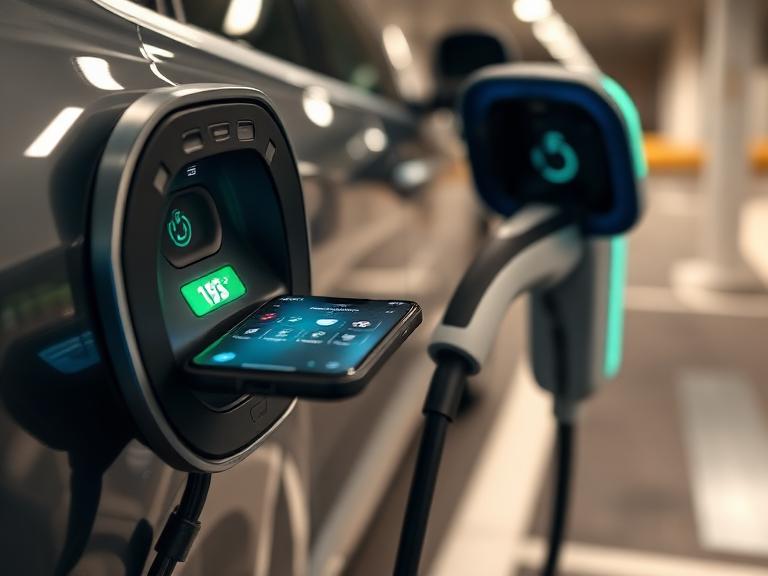
EV Charger for Apartments: Turnkey Multi-Family Charging Blueprint
Table of Contents
EV Charger for Apartments: Turnkey Multi-Family Charging Blueprint
Integrating an EV charger for apartments, condominiums, and multi-dwelling units (MDUs) has shifted from a premium amenity to an operational necessity. As electric vehicle adoption accelerates, urban renters and condo owners make leasing and purchase decisions based on at-home charging access.
However, deploying EV infrastructure in multi-family properties presents engineering, regulatory, and financial considerations distinct from single-family home installations. Property managers, Resident Welfare Associations (RWAs), and Homeowner Associations (HOAs) must navigate shared electrical service limits, complex subterranean cable runs, tenant cost allocation, and long-term asset management.
This comprehensive guide provides property stakeholders with an end-to-end framework for designing, financing, deploying, and operating scalable EV charging networks across multi-family real estate assets.
1. Executive Summary: The Business Case for Apartment Electrification
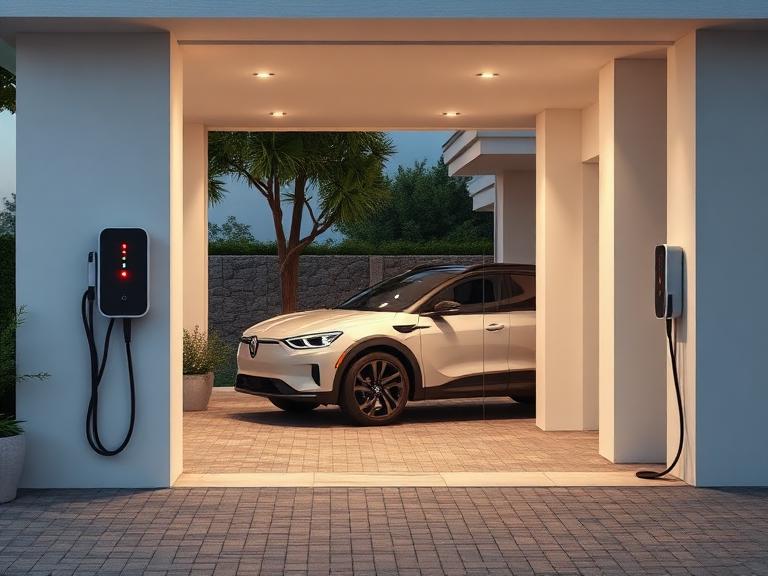
Deploying EV charging infrastructure transforms residential parking facilities into value-generating assets. Modern tenants view at-home charging as essential utility infrastructure—on par with high-speed internet.
                          MULTI-FAMILY EV INFRASTRUCTURE VALUE DRIVERS
                                                |
        +---------------------------------------+---------------------------------------+
        |                                       |                                       |
        v                                       v                                       v
[ Resident Retention ]                [ Net Operating Income ]               [ Asset Preservation ]
 * Reduces tenant turnover             * Markup on per-kWh energy              * Meets green building standards
 * Attracts premium demographic        * Parking bay monetization              * Protects property valuation
 * Fulfills "Right to Charge"          * Idle fee revenue generation           * Preempts mandatory building codes
Financial & Operational Metrics
- Premium Rental Yields: Properties offering dedicated Level 2 EV charging command higher monthly rent premiums over non-EV-equipped competitors.
- Tenant Retention: Electric vehicle owners exhibit higher retention rates when secure, automated overnight charging is provided at their assigned parking bays.
- Future-Proofing Asset Value: As municipal building codes mandate “EV-Capable” and “EV-Ready” parking ratios (ranging from 10% to 20% of total spaces in new constructions), early adoption eliminates costlier retroactive retrofits.
2. Structural Models for Apartment EV Charging
Property managers can choose from three primary hardware and operational models based on building geometry, parking arrangements, and financial strategy:
Model A: Shared Community Charging Hubs
- Configuration: 2 to 8 dedicated EV charging bays situated in common visitor parking areas.
- Best Suited For: Existing properties with limited spare electrical transformer capacity and unassigned parking spaces.
- Operational Mechanism: Residents plug in overnight or during scheduled time slots, authenticate via an app or RFID card, and pay per kWh consumed plus idle fees for overstaying.
Model B: Dedicated Assigned Spot Charging
- Configuration: Individual wallboxes mounted at deeded or assigned resident parking bays.
- Best Suited For: High-end condominiums and luxury apartment buildings with assigned subterranean parking garages.
- Operational Mechanism: Wired directly to a centralized sub-panel equipped with Dynamic Load Management (DLM). Power usage is billed directly to the resident via cloud software or individual sub-meters.
Model C: “Make-Ready” Scalable Infrastructure Backbone
- Configuration: Installation of main sub-panels, cable trays, raceways, and junction boxes across 100% of parking spaces without immediately mounting chargers at every bay.
- Best Suited For: New developments and comprehensive capital improvement projects.
- Operational Mechanism: Permits residents to plug-and-play their choice of approved wallbox on-demand without tearing up concrete or re-running main cables.
+---------------------------------------------------------------------------------------------------+
|                                 APARTMENT EV DEPLOYMENT ARCHITECTURES                             |
+---------------------------------------------------------------------------------------------------+

 MODEL A: SHARED HUB                    MODEL B: DEDICATED SPOTS             MODEL C: MAKE-READY BACKBONE
 [Common Meter]                         [Central EV Sub-Panel]              [Central EV Sub-Panel]
        |                                         |                                    |
        v                                         v                                    v
 [Shared Level 2]                       [DLM Smart Wallboxes]               [Overhead Cable Trays]
 (2-8 Shared Bays)                      (Assigned Resident Bays)                       |
                                                                                       v
                                                                            [Plug-and-Play Junctions]
3. Engineering & Electrical Architecture for MDUs
Multi-family EV installations require specialized power management due to high concurrent electrical loads.
The Peak Demand Challenge
A standard Level 2 commercial charger draws 7.4 kW (32 Amps continuous at 240V). Installing 20 chargers without load controls creates an unmanaged peak demand of 148 kW:
$$\text{Total Load} = 20 \times 7.4\text{ kW} = 148\text{ kW}$$
This unmanaged load can trigger main breaker trips or incur costly utility demand charges.
+---------------------------------------------------------------------------------------------------+
|                                     ELECTRICAL LOAD COMPARISON                                    |
+---------------------------------------------------------------------------------------------------+

 UNMANAGED INFRASTRUCTURE (No DLM)              MANAGED INFRASTRUCTURE (With DLM - 4:1 Sharing)
 Peak Load: 148 kW                              Peak Load: 37 kW
 Requires $50,000 Transformer Upgrade           Uses Existing Panel Capacity
 Risk: Main Breaker Trips                       Risk: Eliminated via Software Throttling
Dynamic Load Management (DLM) & Load Sharing
DLM software solves electrical capacity bottlenecks. By monitoring total building energy consumption in real time, a smart DLM system dynamically adjusts current delivered to each charging station based on available capacity.
+------------------------------------------------------------------------------------+
|                      DYNAMIC LOAD MANAGEMENT (DLM) SCHEMATIC                       |
+------------------------------------------------------------------------------------+
                                 [ Main Building Feed ]
                                           |
                                           v
   [ Building Electrical Panel ] <---> [ CT Current Sensors ]
                                           |
                                           v
                         [ DLM Load Management Controller ]
                                           |
         +---------------------------------+---------------------------------+
         |                                 |                                 |
         v                                 v                                 v
  [ EV Charger #1 ]                 [ EV Charger #2 ]                 [ EV Charger #3 ]
  (16A - Charging)                  (16A - Charging)                  (16A - Charging)
- Equal Sharing Algorithm: When 4 vehicles plug into a shared 32A circuit overnight, each vehicle initially receives 8A. As vehicles complete charging, power redistributes to remaining vehicles, ensuring all cars reach 100% state-of-charge by morning.
- Building Priority Logic: During evening hours when apartment air conditioning and kitchen loads peak, DLM reduces EV charging power. Overnight, as building electricity demand drops, DLM ramps charging power back to maximum levels.
4. Navigation Guide: Managing HOAs, RWAs, and Property Management Approvals
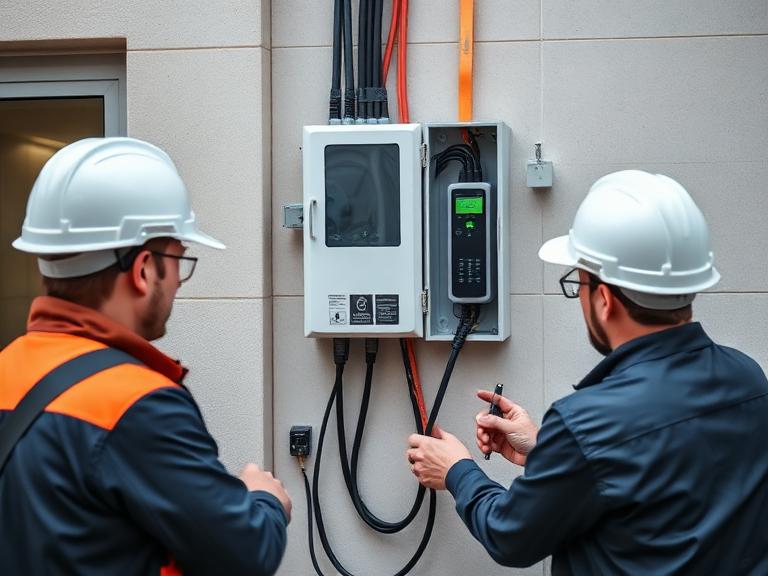
Securing approval from a Homeowner Association (HOA) board or Resident Welfare Association (RWA) requires addressing concerns regarding safety, electrical capacity, and equitable cost allocation.
+---------------------------------------------------------------------------------------------------+
|                                HOA / RWA APPROVAL ROADMAP                                         |
+---------------------------------------------------------------------------------------------------+

  Step 1: Feasibility Audit  --->  Step 2: Policy Drafting    --->  Step 3: Board Presentation
  * Capacity analysis              * Cost assignment rules           * Present SLDs & safety specs
  * Pathway mapping                * Aesthetic guidelines            * Show zero-cost-to-non-EV-owners
  * Sub-meter plan                 * Insurance requirements          * Outline revenue-sharing model
Key Policy Components for Board Adoption
- Zero Subsidization Policy: Clearly state that non-EV owners will bear no cost for installation, electricity, or maintenance. All capital expenditure (CapEx) and operational expenditure (OpEx) are recovered through user fees or dedicated EV fund allocations.
- Standardized Equipment & Aesthetic Guidelines: Require all installed hardware to meet uniform physical and technical standards (e.g., NEMA 4 / IP65 weatherproofing, commercial-grade mounting, concealed conduit) to maintain property aesthetics.
- Certified Installation Requirements: Mandate that all work be completed by licensed electrical contractors carrying commercial liability coverage and specialized EVSE certifications (such as EVITP).
- Automated Billing Integration: Require chargers to operate via an open management software platform (OCPP) to handle payment processing, user authentication, and automatic utility cost reimbursement.
5. Automated Billing, Sub-Metering, and Software Networks
Managing billing manually across dozens of apartment residents is impractical. Modern deployments rely on the Open Charge Point Protocol (OCPP) to integrate hardware with cloud platforms.
+------------------------------------------------------------------------------------+
|                       AUTOMATED TENANT BILLING DATA FLOW                           |
+------------------------------------------------------------------------------------+
  [ Resident ] ---> Taps RFID / App ---> [ Smart Level 2 Charger ]
                                                  |
                                                  v
                                     [ Cloud OCPP Platform ]
                                                  |
                     +----------------------------+----------------------------+
                     |                                                         |
                     v                                                         v
    [ Stripe / Payment Gateway ]                               [ Building Accounting ]
    * Bills resident credit card                               * Reimburses utility bill
    * Collects per-kWh + idle fees                             * Deposits profit margin to NOI
Software-Driven Billing Functions
- Tiered Rate Structures: Property managers can set custom billing rates—offering discounted rates to residents while charging external visitors a public rate.
- Time-of-Use (ToU) Cost Alignment: Software syncs with utility Time-of-Use pricing, encouraging residents to charge during low-cost off-peak hours (e.g., midnight to 6:00 AM).
- Automated Overstay Penalty Fees: Idle fees automatically apply when a vehicle remains connected after reaching full charge in shared community bays, maintaining charger turnover.
6. End-to-End Installation & Engineering Execution
A successful multi-family EV infrastructure deployment follows a six-phase project roadmap:
1.On-Site Feasibility & Electrical Load Audit:Phase 1: Grid Feasibility.
Engineers evaluate main switchgear ratings, measure available transformer headroom, calculate cable distances from meter rooms to parking spots, and assess cellular signal strength in underground garages.
2.SLD Engineering & Load Management Design:Phase 2: System Architecture.
Designers produce single-line diagrams (SLDs), map overhead tray routes, formulate dynamic load sharing (DLM) parameters, and select OCPP-compliant hardware.
3.RWA/HOA Board Approval & Permitting:Phase 3: Board Governance.
The project team submits technical design documentation to the board, secures municipal building/electrical permits, and files interconnection requests with the electric utility.
4.Civil Works, Cable Trays & Core Wiring:Phase 4: Civil Engineering.
Contractors mount overhead galvanized cable trays in subterranean garages, core-drill fire-sealed pass-throughs, pull armored copper/aluminum sub-feeders, and install sub-panels.
5.Charger Mounting, Safety Switchgear & Network Provisioning:Phase 5: Hardware & Software.
Technicians mount wallboxes or pedestals, wire dedicated MCBs and Type B RCD protection, calibrate chemical earthing pits, configure cellular/Wi-Fi gateways, and register chargers on the cloud software platform.
6.Commissioning, User Onboarding & Final Inspection:Phase 6: Verification.
Engineers test earth ground resistance (<5 Ohms), run simulated fault tests, conduct pilot charging sessions, onboard residents onto the billing app, and obtain final inspector sign-off.
7. Comparative Capital Expenditure (CapEx) & Financial Models
Evaluating financial structures helps boards select the optimal capital deployment strategy for their asset profile.
| Deployment Model | Direct Property Purchase | Charging-as-a-Service (CaaS) | Tenant-Funded Turnkey |
| Upfront Capital Expenditure (CapEx) | High (Property funds infrastructure) | Zero to Minimal (Provider funds deployment) | Zero (Individual tenants pay for their bays) |
| Operational Expenditure (OpEx) | Managed via software & service SLA | Covered under monthly subscription | Paid directly by participating tenants |
| Revenue / Margin Retention | 100% retained by property | Revenue split with CaaS provider | Zero (Electricity cost reimbursement only) |
| Long-Term Hardware Ownership | Owned outright by property | Owned by CaaS service provider | Owned by individual unit owner |
| Best Suited For | High-budget developments, luxury condos | Cash-flow-sensitive existing properties | Self-managed HOAs/RWAs with private spots |
8. Safety, Fire Codes, and Infrastructure Maintenance
Safety compliance is paramount when installing high-amperage electrical infrastructure in subterranean garages and multi-story residential buildings.
+------------------------------------------------------------------------------------+
|                         MANDATORY SAFETY PROTECTION LAYERS                         |
+------------------------------------------------------------------------------------+
|                                                                                    |
|  [ Main Meter ] --> [ Dedicated MCB ] --> [ Type B RCD ] --> [ Class II SPD ]      |
|                                                                    |               |
|                                                                    v               |
|                                                         [ Chemical Earth Pit ]     |
|                                                               (< 5 Ohms)           |
+------------------------------------------------------------------------------------+
Safety Requirements
- Residual Current Protection: Each charging station must be protected by a Type B RCD or a Type A RCD equipped with integrated 6mA DC residual direct current detection (RDD-MD) to prevent smooth DC faults from blinding AC distribution protection systems.
- Emergency Power Shutoff (EPO): Underground parking facilities require clearly marked emergency power disconnect switches placed near entry/exit doors for emergency responder access.
- Surge Suppression: Class II Surge Protection Devices (SPDs) must be fitted at central EV sub-panels to isolate equipment from transient grid surges.
- Physical Bollard Protection: Floor-mounted pedestals must be protected by heavy-duty powder-coated steel bollards to absorb vehicle impacts.
9. Frequently Asked Questions (15 FAQs)
Q1: Why is installing an EV charger for apartments more complex than single-family home charging?
Apartment installations require navigating shared electrical panels, securing HOA/RWA board approvals, routing long cable runs through common subterranean structures, managing available grid capacity, and setting up automated tenant billing systems. Unlike single-family homes, multi-family installations depend on software-driven Dynamic Load Management (DLM) and open protocols like OCPP to prevent panel overloads and ensure fair cost distribution.
Q2: How does automated tenant billing work for apartment EV chargers?
Automated billing relies on networked Level 2 chargers operating on Open Charge Point Protocol (OCPP). Tenants tap a smartphone app or custom RFID card to initiate a charge session. The central management platform measures exact kilowatt-hours consumed, processes payments via credit card or adds the charges directly to monthly rent statements, and automatically reimburses the HOA/property owner for electricity costs.
Q3: What is Dynamic Load Management (DLM) in multi-family EV charging?
Dynamic Load Management is a smart software and hardware system that monitors real-time building electrical demand. When multiple EVs plug in simultaneously during peak building usage, DLM automatically distributes available amperage across all connected vehicles. This eliminates the need for expensive utility transformer upgrades while protecting main circuit breakers from tripping.
Q4: Can an HOA or RWA legally deny a tenant permission to install an EV charger in their assigned parking spot?
In many jurisdictions, “Right to Charge” laws prohibit HOAs, RWAs, or property managers from unreasonably denying a resident permission to install an EV charger in their deeded or designated parking space, provided the installation complies with building safety standards, uses certified installers, and is funded by the tenant.
Q5: What is the typical cost of installing an EV charger in an apartment building?
Installation costs in multi-family properties vary based on electrical panel proximity and infrastructure setup. Shared community Level 2 chargers typically cost $3,000 to $8,000 per port including civil works. Dedicated charging per parking bay with long conduit runs from central meter rooms can range from $1,500 to $4,500 per bay when installed as part of a multi-port backbone deployment.
Q6: Should apartment complexes install shared community chargers or assigned spot chargers?
Assigned spot charging is preferred by tenants for overnight convenience, but it requires higher initial infrastructure capacity. Shared community chargers (2 to 6 dedicated EV spaces) offer lower initial capital expenditure and work well for smaller buildings, provided property managers enforce time limits and idle fees to prevent bay hogging.
Q7: How do property owners prevent non-residents from using apartment EV chargers?
Networked EV chargers utilize access controls such as RFID card readers, encrypted mobile app authentication, or closed-user-group whitelist databases. Public access can be completely disabled, or non-residents can be charged a higher rate per kWh.
Q8: What electrical capacity is needed for a 10-unit apartment EV charging project?
Without smart software, 10 Level 2 chargers (7.4 kW / 32A each) require 400 Amps of dedicated capacity at 240V. However, by deploying Dynamic Load Management (DLM) with a 4:1 load-sharing ratio, the same 10 chargers can operate safely on a 100 Amp to 125 Amp sub-panel with negligible impact on overnight charging speeds.
Q9: What are “Make-Ready” EV infrastructure programs for apartment buildings?
“Make-Ready” programs are electric utility initiatives that fund or construct the underlying electrical infrastructure needed for EV charging—such as utility transformers, meter banks, sub-panels, trenching, and conduit—leaving the property owner responsible only for purchasing and mounting the wallbox units.
Q10: What is the difference between individual sub-metering and centralized OCPP management?
Individual sub-metering physically wires each charger back to the resident’s individual electric utility meter, adding cost to each unit’s electric bill. Centralized OCPP management wires all chargers to a shared building sub-panel; software tracks individual consumption digitally and handles direct billing via cloud software without complex physical meter re-wiring.
Q11: What cable management solutions are needed for basement apartment parking garages?
Basement garages require heavy-duty overhead cable trays, armored cables (such as MC or XLPE), spring-loaded overhead retractors, wall-mounted gun holsters, and protective steel safety bollards to prevent vehicles from striking hardware.
Q12: How does EV charging increase property values for multi-family real estate?
Offering EV charging attracts high-income tenants, reduces resident turnover, allows property managers to charge premium rent, improves green building certifications (e.g., LEED, WELL), and future-proofs property valuations against shifting building codes.
Q13: What are idle fees in multi-family EV charging networks?
Idle fees are penalties charged to a driver after their vehicle reaches 100% state-of-charge but remains plugged into a shared station. Fees encourage drivers to move their vehicles promptly so other residents can use the station.
Q14: Can apartment complexes monetize EV chargers to create a net revenue stream?
Yes. Property managers can set electricity retail rates above the utility bulk purchase price (e.g., buying power at $0.14/kWh and billing residents or visitors $0.22/kWh), generating net operating income (NOI) that offsets hardware depreciation and maintenance contracts.
Q15: What are the fire safety and insurance requirements for installing EV chargers in apartment basements?
Installers must comply with local fire codes, including installing emergency power shutoff switches (EPOs), maintaining clear access for emergency responders, utilizing Class II surge protection, installing Type B RCDs, and updating property commercial liability insurance policies.