Elegant & Earth-Friendly: The Ultimate Guide to Eco Friendly Wedding Decor in Hyderabad
Table of Contents
Elegant & Earth-Friendly: The Ultimate Guide to Eco Friendly Wedding Decor in Hyderabad
Indian weddings are globally renowned for their grandeur, vibrant colors, and multi-day festivities. However, behind the grand entry gates, shimmering backdrops, and lavish stages lies a harsh environmental reality. A single conventional wedding can generate hundreds of kilograms of non-biodegradable waste—ranging from single-use plastics and chemical-laden floral foam to synthetic polyester drapes and toxic paint.
As we navigate 2026, a quiet revolution is taking over the Nizami city. Modern couples in Hyderabad are stepping away from high-waste celebrations and embracing mindful luxury. Choosing eco friendly wedding decor hyderabad is no longer a compromise on aesthetics. Instead, it is a return to authentic, culturally rich, and incredibly elegant roots that honor both your special day and the planet.

The Environmental Cost of Conventional Indian Weddings
To truly appreciate the value of sustainable wedding styling, we must understand what makes conventional weddings so resource-heavy. Traditionally, heavy setups rely on three massive environmental offenders:
- Styrofoam (Thermocol): Frequently carved into intricate backdrops, columns, and stage props, this plastic-based material persists in landfills for centuries.
- Floral Foam (Oasis): The green bricks used to hold flower arrangements in place are actually microplastics saturated with toxic formaldehyde. They easily crumble into waterways, posing severe threats to local aquatic life.
- Synthetic Drapes: Cheap polyester fabrics are often discarded after a single use, adding to the growing textile waste crisis.
By choosing eco-friendly decor, you are directly preventing these materials from entering Hyderabad’s landfills and water systems, replacing them with biodegradable, compostable, and upcyclable treasures.
Core Elements of Sustainable Wedding Decor
Embracing green decor does not mean settling for a sparse or plain aesthetic. On the contrary, Hyderabad’s traditional crafts, local flora, and rich handloom heritage offer a spectacular palette for sustainable wedding designers. Here is how you can replace toxic materials with gorgeous, earth-friendly alternatives:
1. Organic Drapes: Swapping Polyester for Handlooms
Instead of synthetic polyester or imported nylon drapes, green weddings utilize beautiful, breathable natural textiles.
- Pochampally Ikats & Gadwal Weaves: Hyderabad’s proximity to historic weaving clusters makes it easy to source genuine handloom cotton and silk drapes.
- Undyed Jute and Khadi: These fabrics provide a stunning, rustic-chic backdrop that perfectly complements outdoor afternoon ceremonies like the Haldi or Mehendi.
- Kora Cotton: This unbleached, raw cream-colored cotton acts as an elegant canvas, allowing colorful local flowers to stand out vividly.
2. Ditching Floral Foam: The Natural Alternatives
The banishment of toxic floral foam has birthed incredibly creative floral engineering. Progressive decorators in Hyderabad have successfully revived ancestral techniques to keep flowers fresh:
- Banana Bark Assembly: Fresh banana tree trunks and stalks contain high water content. Inserting flower stems directly into banana bark keeps them hydrated for hours without a single drop of plastic.
- Reusable Metal Chicken Wire: Flexible steel meshes are shaped into structures, filled with damp moss or straw, and used to hold elaborate floral installations securely.
- Potted Plants as Decor: Instead of cut flowers that wither in a day, decorators line aisles, staircases, and stages with lush potted ferns, palms, and flowering jasmine. After the wedding, these can be gifted to guests or planted in your new home’s garden.
3. Local and Seasonal Flora
Shipping exotic flowers like orchids from Thailand or tulips from Holland leaves a massive carbon footprint. Hyderabad’s local flower markets—particularly the historic Gudimalkapur Flower Market—are treasure troves of stunning, seasonal blossoms:
- Marigolds (Banthipoolu): In shades of fiery orange and sun-drenched yellow, marigolds are naturally insect-repelling, highly biodegradable, and culturally auspicious.
- Local Jasmine (Sanna Jajulu): Fills the venue with a heavenly, nostalgic fragrance that synthetic room fresheners can never replicate.
- Lotus Bud Garlands & Mango Leaves: Perfect for structuring mandap borders and main entryways.
4. Eco-Friendly Structural Backdrops
Traditional carpentry and leaf-weaving techniques are replacing heavy fiber-reinforced plastic (FRP) and MDF boards:
- Coconut Leaf Art (Kobbari Akula Alankaram): Expert local artisans weave fresh coconut palm leaves into intricate geometric patterns, mats, and cute hanging parrots.
- Bamboo Frameworks: Sturdy, lightweight, and completely renewable, bamboo poles form the foundation for mandaps and arches.
- Upcycled Wooden Elements: Reclaimed wooden doors, vintage windows, and antique pillars add a layer of soulful, nostalgic storytelling to your venue.
Timeless South Indian Aesthetics: The Mandap Design
A traditional Telugu or South Indian wedding mandap naturally lends itself to sustainability. When you focus on heritage, the decor automatically becomes green.
By highlighting natural wood, fresh banana leaves, strings of local tuberoses (Nela Sampenga), and heavy antique brass Samayis (lamps), you create a space that feels deeply sacred and visually stunning. This setup bypasses plastic components completely, ensuring your ceremony is held in a pure, toxic-free environment.
Step-by-Step Sequence: Planning Your Zero-Waste Wedding Decor
Transitioning from a conventional wedding setup to a zero-waste design requires a clear roadmap. Since you are coordinating with multiple vendors, having a structured timeline ensures nothing is overlooked.
1.Choose an Eco-Conscious Venue:6 to 9 Months Out.
Look for outdoor venues in Hyderabad that naturally offer beautiful backdrops, reducing the need for heavy decor. Places with mature trees, lawns, or heritage architecture (such as open-air resorts in Gandipet or Moinabad) are ideal. Ensure they have a policy that supports green events and allows external waste management teams.
2.Select an Eco-Aligned Decorator:4 to 6 Months Out.
Inquire explicitly about their sustainable practices. Ask key questions: Do you use floral foam? Do you have your own inventory of brass, wood, and steel, or do you rely on single-use plastics? Look for decorators specializing in traditional crafts.
3.Design Your Material Palette:3 Months Out.
Finalize your themes using only biodegradable or highly reusable materials. Swap out synthetic carpets for woven jute rugs or traditional Kora cotton floor mats. Decide on the local, seasonal flowers you want to source directly from Gudimalkapur.
4.Establish a Post-Wedding Waste Management Plan:1 Month Out.
Coordinate with local Hyderabad NGOs or green startups (such as The Bartan Company or waste management collectives). Arrange for all organic floral waste to be sent to commercial composting facilities or upcycled into organic incense sticks and natural dyes.
Cost Comparison: Sustainable vs. Conventional Decor
A common myth is that eco-friendly decor is significantly more expensive than conventional plastic-and-styrofoam setups. While artisan-intensive work (like hand-weaving coconut leaves) requires fair labor wages, you save dramatically on expensive imported flowers, synthetic fabric rentals, and disposal fees.
| Decor Element | Conventional Option (High Waste) | Eco-Friendly Alternative (Low/Zero Waste) | Cost Trend & Long-Term Value |
| Backdrop Backdrop | MDF boards, FRP panels, vinyl prints | Woven coconut leaves, handloom drapes, bamboo lattices | Cost-Effective: Natural drapes and bamboo are highly reusable and cheaper to rent. |
| Floral Bases | Chemical green floral foam (Oasis) | Banana bark, coir structures, metal chicken wire mesh | Equal Cost: Requires slightly more setup time but eliminates single-use foam purchases. |
| Props & Accents | Styrofoam sculptures, plastic vases | Antique brass Samayis, wooden Urlis, clay pots | Investment Grade: Sourced from local rental inventories; highly durable and timeless. |
| Floral Selection | Imported Dutch tulips, orchids, faux silk flowers | Local marigolds, jasmine, tuberoses, lotuses | Massive Savings: Sourcing locally from Hyderabad markets cuts transportation and import costs by up to 60%. |
| Aisle Runners | Single-use synthetic carpets | Reusable jute runners, traditional handwoven mats | Cost-Neutral: Rental rates are identical, but jute offers superior organic aesthetics. |
Notable Sustainable Event Collaborators in Hyderabad
Executing a flawless green wedding is immensely easier when you partner with local specialists who understand the ecosystem. Hyderabad is home to fantastic pioneers:
Decor by Krishna
A true trailblazer in the Indian eco-decor space. They operate on a strict self-imposed mandate: zero floral foam, zero thermocol, and zero plastic. They revive traditional leaf-weaving arts, using coconut and banana leaves, fresh local flowers, and traditional handlooms. Their designs offer a clean, organic look that beautifully preserves classic Telugu customs.
The Bartan Company
While primarily known for their fantastic steel utensil bank that eliminates single-use plastic caterer plates, they are indispensable consultants for low-waste events in Hyderabad. They work alongside your decorators and caterers to manage waste segregation, ensuring that organic decorations are cleanly separated for composting rather than being tossed into mixed municipal landfills.
FAQ: Transitioning to Green Decor
Q1: Will my wedding look too plain if I choose eco-friendly decor?
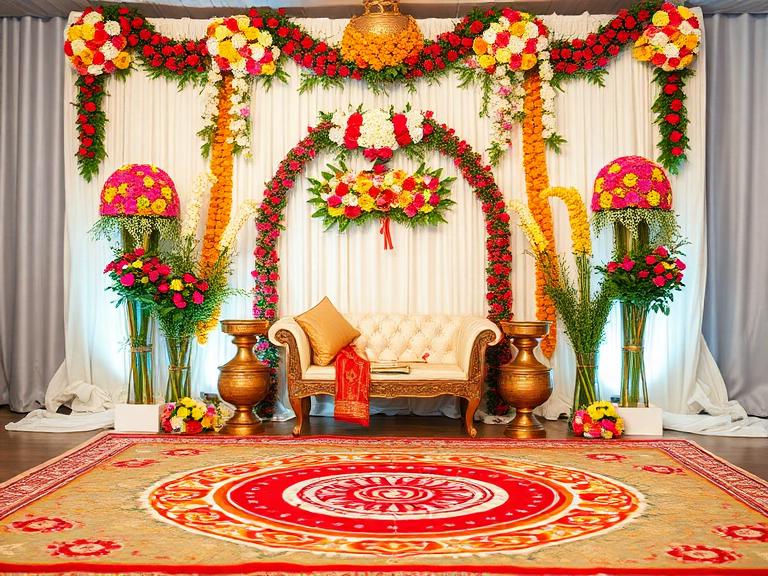
Not at all! As shown in the images above, sustainable decor is incredibly rich and vibrant. By focusing on authentic materials like polished brass, lush green banana leaves, deeply fragrant jasmine, and textured handlooms, the venue gains a luxurious, tactile warmth that flat, synthetic backdrops simply cannot replicate.
Q2: How can I ensure the flowers don’t go to waste after the event?
You can partner with Hyderabad-based organizations that upcycle floral waste. Startups collect post-wedding flowers and process them into organic holi colors, natural fabric dyes, or premium incense sticks (agarbattis). Alternatively, if your venue has an on-site garden, you can request them to shred and compost the organic materials.
Q3: Are potted plants practical for large-scale wedding venues?
Yes! Many wholesale nurseries around Outer Ring Road (ORR) and Shamshabad offer potted plants on rent. Decorators can wrap the plastic nursery pots in reusable burlap/jute bags or place them inside beautiful terracotta or brass planters to match your theme.
Embracing a Sustainable Legacy
Your wedding is a celebration of your future together. There is no more beautiful way to start that journey than by ensuring your celebration does not leave a heavy burden on the earth. By utilizing local craftsmanship, choosing seasonal blooms from Gudimalkapur, and saying a firm “no” to single-use plastics, your Hyderabad wedding will be remembered not just for its stunning beauty, but for its profound heart.