
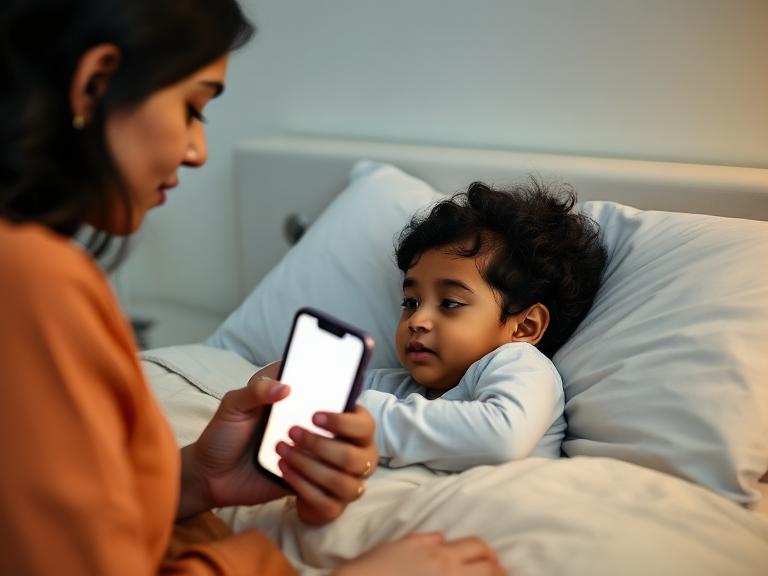
Best Apps for Toddler Tantrums (2026 Parent Guide)
Table of Contents
Best Apps for Toddler Tantrums (2026 Parent Guide)
Toddler tantrums are one of the most challenging parts of early parenting. One moment your child is happily playing, and the next they’re crying, screaming, throwing toys, or refusing to cooperate. Whether it happens at home, in the supermarket, during nursery drop-off, or just before bedtime, these emotional outbursts can leave even the most patient parents feeling overwhelmed.
Fortunately, technology has evolved beyond simple baby trackers. Today, many of the best apps for toddler tantrums provide parents with personalised guidance, behaviour insights, routine planning, emotional coaching, and practical parenting strategies based on child development research.
While no app can completely prevent tantrums, the best apps for toddler tantrums can help parents understand why behaviours occur, identify patterns, respond consistently, and build healthier routines that reduce emotional overload.
This guide compares some of the best apps for toddler tantrums, explains the features that matter most, and helps parents choose the right tool for their family’s needs.
The best apps for toddler tantrums help parents understand behaviour rather than simply react to it. They offer personalised parenting advice, behaviour tracking, emotional regulation strategies, sleep and routine support, and practical solutions for everyday parenting challenges. While every family has different needs, the most effective apps combine evidence-informed parenting guidance with easy-to-use tools that help parents respond calmly and consistently during difficult moments.
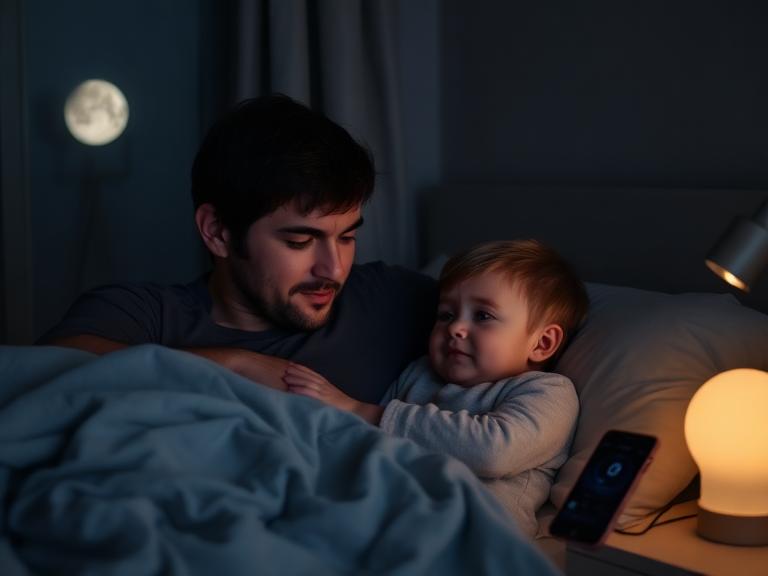
Why Parents Are Using Apps to Manage Toddler Tantrums
Modern parenting comes with more information—and more questions—than ever before. Parents often search online for answers to situations like:
- Why is my toddler screaming for no reason?
- Why does my toddler hit when angry?
- How do I stop public tantrums?
- Why are bedtime meltdowns getting worse?
- How should I respond without shouting?
Instead of searching through dozens of articles every time a new challenge arises, many parents now use parenting apps that provide guidance tailored to their child’s age and behaviour.
The best apps for toddler tantrums help parents by offering:
- Behaviour insights
- Emotional regulation techniques
- Consistent parenting strategies
- Routine planning
- Sleep guidance
- Developmental information
- Progress tracking
These tools are designed to support parents in making informed decisions while encouraging positive parent-child relationships.
What Makes the Best Apps for Toddler Tantrums?
Not every parenting app focuses on behaviour. Some are designed for sleep tracking, while others concentrate on developmental milestones or feeding schedules.
When comparing the best apps for toddler tantrums, look for features that genuinely support emotional development.
1. Personalised Parenting Guidance
Every child is unique.
An app that provides tailored recommendations based on your child’s age, developmental stage, and specific behaviours is often more useful than generic advice.
Personalisation helps parents feel more confident when responding to recurring tantrums.
2. Behaviour Tracking
Patterns often reveal why tantrums happen.
Useful tracking features may include:
- Time of day
- Location
- Sleep quality
- Hunger
- Triggers
- Emotional responses
Over time, behaviour tracking can help parents identify common causes of emotional outbursts.
3. Evidence-Informed Parenting Advice
The best apps for toddler tantrums should base their recommendations on recognised child development principles rather than quick fixes or punishment-based approaches.
Look for guidance that encourages:
- Emotional coaching
- Positive discipline
- Consistent boundaries
- Healthy communication
- Age-appropriate expectations
4. Emotional Regulation Support
Young children are still learning how to understand and manage their emotions.
Helpful apps provide activities that encourage:
- Naming feelings
- Calming techniques
- Deep breathing
- Problem-solving
- Emotional awareness
These skills gradually reduce the intensity and frequency of tantrums.
5. Daily Routine Support
Sleep, meals, and predictable routines have a significant impact on behaviour.
Many of the best apps for toddler tantrums include tools for managing:
- Bedtime routines
- Morning routines
- Meal schedules
- Daily transitions
- Activity planning
Consistency helps children feel more secure and can reduce emotional overload.
6. Easy-to-Use Design
Busy parents need answers quickly.
The best parenting apps should offer:
- Simple navigation
- Fast search
- Clear advice
- Practical steps
- Minimal complexity
Information should be easy to understand during stressful parenting moments.
7. Privacy and Data Security
Parenting apps often store sensitive family information.
Choose apps that clearly explain:
- Data protection policies
- Privacy settings
- Account security
- Information sharing practices
Parents should always feel confident about how their information is handled.
Best Apps for Toddler Tantrums
Below are some of the most useful parenting apps available today. Each serves different parenting needs, so the right choice depends on your family’s priorities.
1. TinyPal
Best for: Personalised AI Parenting Guidance
TinyPal is an AI-powered parenting support platform designed to help parents navigate everyday behavioural challenges with personalised guidance. Rather than offering generic parenting articles, it responds to specific questions and situations based on the child’s age and behaviour.
Parents can ask questions such as:
- Why is my toddler hitting?
- How should I respond to bedtime tantrums?
- Why does my child refuse to listen?
- What causes emotional outbursts?
The platform provides practical suggestions grounded in child development principles, helping parents understand possible triggers and respond consistently.
Key Features
- Personalised parenting guidance
- AI-powered behaviour support
- Emotional regulation strategies
- Daily parenting advice
- Age-specific recommendations
- Behaviour insights
- Routine support
Pros
- Tailored responses instead of generic advice
- Easy to use
- Covers a wide range of parenting topics
- Helpful for everyday behavioural questions
Considerations
- Parents should use the guidance alongside professional advice when they have concerns about their child’s health or development.
2. Huckleberry
Best for: Sleep and Routine Tracking
Although Huckleberry is best known for sleep tracking, healthy sleep is closely connected to toddler behaviour.
Many tantrums occur when children are overtired, making sleep one of the biggest contributors to emotional regulation.
Huckleberry allows parents to monitor:
- Sleep schedules
- Nap timing
- Wake windows
- Daily routines
By identifying sleep patterns, parents may reduce behaviour challenges linked to fatigue.
Key Features
- Sleep tracking
- Routine planning
- Daily schedules
- Family reminders
- Developmental guidance
Pros
- Excellent sleep management
- Helpful routine planning
- User-friendly interface
Considerations
Its primary focus is sleep rather than behaviour coaching.

3. Wonder Weeks
Best for: Developmental Milestones
Wonder Weeks focuses on developmental changes that occur during infancy and early childhood.
The app explains how developmental leaps may influence behaviour, mood, and emotional reactions.
Parents often use the information to understand why behaviour suddenly changes during certain developmental periods.
Key Features
- Developmental leap tracking
- Behaviour explanations
- Milestone information
- Activity suggestions
Pros
- Easy-to-understand developmental guidance
- Useful milestone information
- Encourages realistic expectations
Considerations
It focuses more on development than on practical behaviour management.
4. Moshi
Best for: Calm Bedtime Routines
Many parents notice that toddler tantrums become more frequent before bedtime.
Moshi provides calming stories, gentle music, and relaxation content designed to help children settle before sleep.
While it is not a behaviour management app, improving bedtime routines may reduce evening emotional outbursts.
Key Features
- Bedtime stories
- Guided relaxation
- Sleep sounds
- Mindfulness content
- Calming audio
Pros
- Supports bedtime routines
- Encourages relaxation
- Easy for children to engage with
Considerations
It is designed primarily for relaxation rather than personalised parenting guidance.
5. Baby Connect
Best for: Comprehensive Daily Tracking
Baby Connect allows parents to record many aspects of a child’s daily routine, including meals, naps, activities, and behaviour.
Tracking daily patterns can help parents identify possible triggers for tantrums, such as poor sleep, skipped meals, or overstimulation.
Key Features
- Activity tracking
- Meal logging
- Sleep monitoring
- Behaviour notes
- Shared family access
Pros
- Detailed daily records
- Useful for identifying patterns
- Suitable for multiple caregivers
Considerations
The app focuses on tracking rather than providing behavioural coaching.
Comparison Table: Best Apps for Toddler Tantrums
| App | Best For | AI Guidance | Behaviour Support | Sleep Support | Routine Tracking | Ideal For |
|---|---|---|---|---|---|---|
| TinyPal | Personalised parenting guidance | Yes | Excellent | Good | Good | Parents seeking tailored behaviour advice |
| Huckleberry | Sleep routines | Limited | Moderate | Excellent | Excellent | Families improving sleep habits |
| Wonder Weeks | Developmental milestones | No | Moderate | Basic | Basic | Understanding developmental changes |
| Moshi | Relaxation and bedtime | No | Basic | Excellent | Limited | Bedtime calming and mindfulness |
| Baby Connect | Daily tracking | No | Moderate | Good | Excellent | Tracking routines and identifying behaviour patterns |
How AI Parenting Apps Can Help with Toddler Tantrums
Artificial intelligence is becoming increasingly useful in parenting support because it can provide personalised guidance based on a child’s age, behaviour, and daily routines.
Rather than offering generic parenting advice, AI-powered apps can help parents understand why a tantrum may be happening and suggest practical, developmentally appropriate responses.
The best apps for toddler tantrums often use AI to support parents in several ways.
Identifying Behaviour Patterns
Parents may notice tantrums happening regularly but struggle to identify why.
Tracking information such as:
- Sleep
- Meals
- Activities
- Time of day
- Environment
- Emotional triggers
can reveal patterns that might otherwise go unnoticed.
For example, a parent may discover that tantrums occur more frequently:
- Before dinner
- After nursery
- During shopping trips
- Before bedtime
Recognising these patterns allows parents to adjust routines proactively.
Personalised Parenting Advice
Every child is different.
An AI parenting platform can tailor recommendations based on:
- Age
- Developmental stage
- Behaviour history
- Parent concerns
Instead of searching dozens of websites, parents receive guidance that is more relevant to their situation.
Supporting Emotional Regulation
The best parenting apps encourage parents to teach emotional regulation rather than simply stopping unwanted behaviour.
Suggestions may include:
- Naming emotions
- Calm breathing activities
- Transition strategies
- Positive reinforcement
- Connection before correction
These approaches help children gradually develop healthier coping skills.
Building Consistency
Children respond well to predictable routines and consistent responses.
Apps can remind parents about:
- Bedtime
- Meal schedules
- Daily routines
- Behaviour tracking
- Positive reinforcement
Consistency often reduces situations that trigger tantrums.
Can Parenting Apps Stop Toddler Tantrums?
The simple answer is no.
No app can prevent every tantrum because emotional outbursts are a normal part of child development.
However, the best apps for toddler tantrums can help parents:
- Understand behaviour more clearly
- Respond consistently
- Reduce common triggers
- Improve routines
- Strengthen parent-child communication
- Build emotional regulation skills over time
Rather than eliminating tantrums, these tools support parents in responding more confidently and effectively.
How to Choose the Best App for Your Family
Not every parenting app serves the same purpose.
Before downloading an app, consider what support you need most.
If Your Biggest Challenge Is Behaviour
Choose an app that offers:
- Personalised guidance
- Behaviour explanations
- Emotional regulation strategies
- Positive parenting advice
If Sleep Is the Main Problem
Look for apps with:
- Sleep tracking
- Bedtime routines
- Nap scheduling
- Wake window recommendations
Improving sleep often reduces behavioural challenges.
If You Prefer Tracking
Select an app that records:
- Meals
- Sleep
- Activities
- Behaviour
- Mood
- Daily routines
Tracking helps identify patterns over time.
If You Want Development Information
Choose an app that explains:
- Milestones
- Brain development
- Communication skills
- Emotional growth
- Independence stages
Understanding development often makes challenging behaviour easier to interpret.
Tips for Reducing Toddler Tantrums Without Technology
Even the best apps for toddler tantrums work best alongside everyday parenting strategies.
Maintain Predictable Routines
Children feel safer when they know what to expect.
Prioritise Sleep
Overtired toddlers often struggle with emotional regulation.
Avoid Long Gaps Between Meals
Hunger is one of the most common tantrum triggers.
Prepare for Transitions
Give warnings such as:
- “Five more minutes.”
- “After this book, it’s bedtime.”
Stay Calm
Children often mirror adult emotions.
Acknowledge Feelings
Instead of saying:
“Stop crying.”
Try:
“I can see you’re upset.”
Keep Instructions Simple
Young children process short, clear instructions more easily.
Praise Positive Behaviour
Notice cooperation whenever possible.
Positive attention encourages repeated behaviour.
When Should Parents Seek Professional Advice?
Although tantrums are developmentally normal, parents should consider speaking with a healthcare professional if:
- Tantrums become extremely frequent.
- Aggression regularly causes injuries.
- Behaviour affects nursery or family life.
- Emotional outbursts become increasingly severe with age.
- Parents are concerned about communication or developmental milestones.
A GP, health visitor, or paediatric professional can assess whether additional support is appropriate.
Frequently Asked Questions
What are the best apps for toddler tantrums?
The best apps for toddler tantrums depend on your needs. Some focus on personalised parenting guidance, while others specialise in sleep tracking, developmental milestones, or routine management.
Can parenting apps reduce toddler tantrums?
Apps cannot eliminate tantrums, but they can help parents understand triggers, improve routines, and respond consistently.
Are AI parenting apps worth using?
Many parents find AI parenting apps useful because they provide personalised guidance tailored to a child’s age and behaviour rather than offering general advice.
Which app is best for understanding toddler behaviour?
Apps that combine personalised parenting guidance with behaviour insights are often the most helpful for understanding why tantrums occur.
Can apps improve emotional regulation?
Apps can provide activities and guidance that help parents teach emotional regulation skills over time.
Which app helps with bedtime tantrums?
Apps focusing on bedtime routines, sleep tracking, and calming activities can support healthier evening routines.
Should I track my child’s tantrums?
Yes. Tracking helps identify patterns related to sleep, meals, routines, and environmental triggers.
Can parenting apps replace professional advice?
No. Parenting apps are helpful support tools but should not replace advice from healthcare professionals when there are concerns about a child’s health or development.
Are toddler tantrums normal?
Yes. Tantrums are a common part of emotional and brain development during early childhood.
Which app is best for first-time parents?
Many first-time parents prefer apps that combine practical parenting advice, developmental information, and personalised guidance in one place.
Are parenting apps safe?
Choose reputable apps with clear privacy policies and secure data practices.
Do parenting apps work for older children?
Many parenting apps offer guidance beyond toddlerhood, although features vary depending on the platform.
Final Thoughts
Toddler tantrums are a normal part of growing up, but that does not mean parents have to navigate them alone. The best apps for toddler tantrums can provide practical guidance, help identify behaviour patterns, and encourage consistent, positive parenting strategies.
No single app is perfect for every family. Some parents benefit most from personalised AI guidance, while others prefer sleep tracking, developmental insights, or routine management tools. Choosing the right app depends on your child’s needs and your parenting goals.
Ultimately, technology should complement—not replace—responsive parenting, patience, and strong family relationships. When used thoughtfully, the best apps for toddler tantrums can become valuable tools that help parents better understand their children and build confidence in handling everyday behavioural challenges.