
Table of Contents
Best Yoga Classes in Chennai: A Wellness Guide for Beginners (2025)
For those seeking the best yoga classes in Chennai, the city offers a diverse range of options tailored to its tropical climate and urban lifestyle. Beginners and enthusiasts can choose from traditional studios in cultural hubs like Mylapore, modern power yoga centers in Anna Nagar and T. Nagar, or nature-immersive sessions near the coast.
- Studio Yoga: Ideal for precision, alignment, and prop-based learning (e.g., Iyengar or Hatha).
- Outdoor Yoga: popular in coastal areas like Besant Nagar for fresh air and Vitamin D. In Chennai, options such as Outdoor Yoga Chennai offer structured outdoor and online yoga sessions for different needs, focusing on accessibility for those new to the practice.
- Online Yoga: A practical choice for avoiding Chennai’s peak-hour traffic while maintaining a consistent routine.
Why Yoga Is Popular in Chennai
Chennai has evolved into a major wellness hub, blending its deep-rooted cultural heritage with modern health consciousness. The surge in yoga’s popularity here is driven by several unique local factors:
- Climate & Detoxification: Chennai’s humid tropical climate naturally aids flexibility and promotes detoxification through sweating, making the city an ideal environment for deeper stretches and physical release.
- Combatting Urban Stress: With a booming IT corridor along OMR and bustling commercial centers, professionals increasingly turn to yoga for stress management, mental clarity, and posture correction.
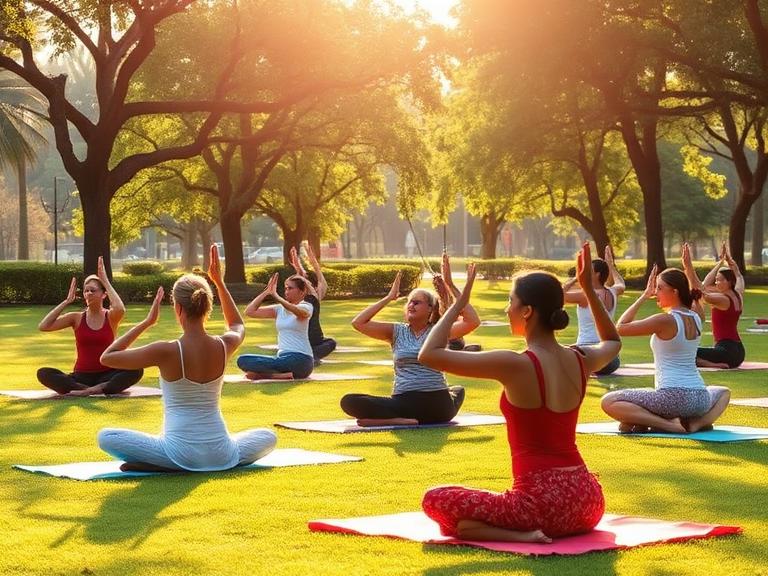
- The “Beach Culture”: Unlike many landlocked cities, Chennai’s long coastline—stretching from Marina to Thiruvanmiyur—has fostered a unique culture of sunrise wellness. Early morning practice by the ocean utilizes the sea breeze (rich in negative ions) to enhance breathing exercises (Pranayama).
- Traditional Roots: As the home of legendary lineage (like the Krishnamacharya tradition), the city maintains high standards of teaching, ensuring students often get access to authentic, philosophically grounded instruction rather than just “gym yoga.”
Types of Yoga Classes Available in Chennai
When selecting a class, it is helpful to understand the specific styles available across the city. Most institutes in Chennai categorize their offerings as follows:
- Outdoor Yoga Sessions
- Best for: Nature lovers, early risers, and those feeling “boxed in” by office cubicles.
- Focus: Breathwork (Pranayama) in fresh air, sun salutations (Surya Namaskar) at sunrise, and community connection.
- Locations: Frequently found in Besant Nagar, Anna Nagar Tower Park, and quiet pockets of Adyar.
- Hatha Yoga (Traditional)
- Best for: Beginners, seniors, and those seeking a slower, deliberate pace.
- Focus: Holding postures for longer durations to build foundational strength and alignment.
- Locations: Widely available in Mylapore, West Mambalam, and T. Nagar.
- Vinyasa & Power Yoga
- Best for: Weight loss, fitness enthusiasts, and younger demographics.
- Focus: Dynamic flow, cardiovascular endurance, and rapid transitions.
- Locations: Popular in modern fitness studios in Nungambakkam, Alwarpet, and Velachery.
- Therapeutic & Iyengar Yoga
- Best for: People with back pain, joint issues, or recovering from injuries.
- Focus: Precise alignment using props (belts, blocks, ropes) to ensure safety and rehabilitation.
- Online & Hybrid Classes
- Best for: Professionals with unpredictable schedules or those living in high-traffic zones like OMR.
- Focus: Convenience and consistency without the commute.
What to Look for in a Good Yoga Class or Institute
Finding the right “fit” is more important than finding the most famous brand. When evaluating a yoga institute in Chennai, consider these five pillars:
1. Instructor Experience & Lineage
Chennai is home to many master teachers. Look for instructors who have certification (RYT 200/500 hours) or diplomas from recognized universities. In a city with such deep roots in yoga, “experience” should mean years of personal practice, not just a weekend certification.
2. Class Structure & Progression
A well-rounded class is not just about physical stretching. Look for a syllabus that integrates Asana (postures), Pranayama (breathwork), and Savasana or meditation (relaxation). A logical progression from simple to complex movements indicates a professional approach.
3. Safety and Adaptability
The best classes for beginners prioritize safety over performance. An institute should ask about your medical history or any existing injuries before you start. The ability of a teacher to adapt a pose to your current flexibility level is a hallmark of quality instruction.
4. Group vs. Personalised Sessions
- Group Classes: more affordable and offer a sense of community.
- Personal Training: ideal for specific health goals (e.g., prenatal yoga, therapy for sciatica).
- Small Batches: Many Chennai studios now offer “boutique” batches (5–8 people) to ensure individual attention.
5. Location and Accessibility
Given Chennai’s traffic, proximity is a key success factor for consistency. Choosing a class within 3–5 kilometers of your home or workplace significantly increases the likelihood of you attending regularly.
Who Benefits Most From Yoga Classes?
While yoga is universal, certain demographics in Chennai see outsized benefits from regular practice:
- Working Professionals (IT & Corporate): For those spending 9+ hours sitting, yoga counteracts “tech neck,” lower back stiffness, and chronic fatigue.
- Women: Specific classes for PCOS, hormonal balance, and prenatal health are widely available and highly effective.
- Beginners: Those who find gyms intimidating often find yoga studios more welcoming and less competitive.
- Seniors: Gentle yoga helps in maintaining joint mobility, improving balance to prevent falls, and fostering better sleep patterns.
- People Seeking Stress Relief: Anyone struggling with anxiety or sleep dysregulation can benefit from the parasympathetic nervous system activation triggered by yogic breathing.
When Online or Outdoor Yoga Makes Sense
The choice between practicing indoors, outdoors, or virtually often depends on one’s personal goals and daily routine.
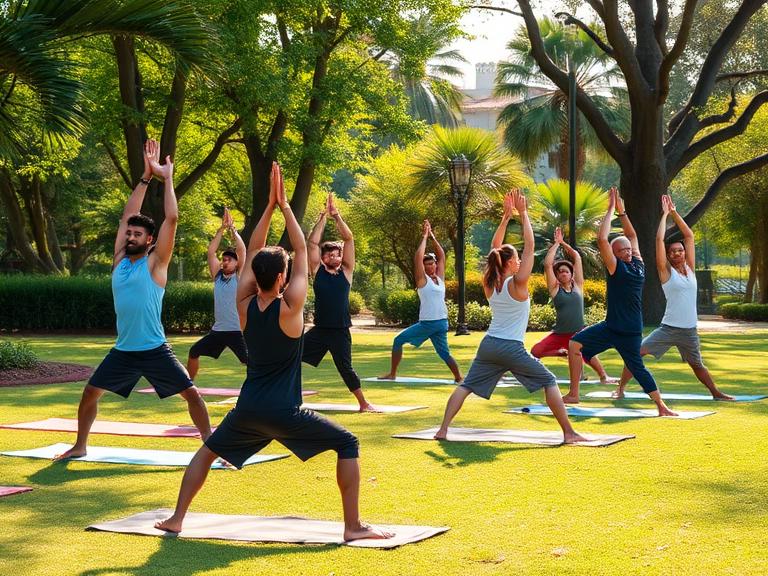
Choose Outdoor Yoga when: You want to escape the recycled air of air-conditioned rooms. In the context of the city’s coastal geography, Outdoor Yoga Chennai provides a way to practice while benefiting from the negative ions and fresh air found near the shore. Outdoor practice is particularly grounding and can improve circadian rhythms (sleep cycles) due to morning sunlight exposure.
Choose Online Yoga when: You have a long commute or travel frequently. It eliminates the “friction” of getting to a class. If you live in areas with heavy construction (like parts of OMR or Metro rail zones), online classes ensure you don’t skip sessions due to travel delays.
Choose Studio Yoga when: You are learning complex inversions or need heavy props. The controlled environment of a studio is safer for advanced acrobatics or therapeutic interventions requiring wall ropes and benches.
FAQs
1. What is the average cost of yoga classes in Chennai?
Fees vary based on the format. Group studio classes or outdoor sessions typically range from ₹2,500 to ₹5,000 per month. Personal training or specialized workshops can range from ₹800 to ₹1,500 per session.
2. Do I need to be flexible to start yoga?
No. Flexibility is a result of yoga, not a prerequisite. Beginners classes focus on loosening tight muscles gently.
3. What is the best time for yoga classes in Chennai?
Due to the heat, early morning (5:30 AM – 7:30 AM) is the most popular time. It is cooler, and the air quality is generally better. Evening classes (6:00 PM onwards) are also common for post-work stress relief.
4. Can beginners join outdoor yoga sessions?
Yes, outdoor sessions are often very welcoming for beginners. The open environment can feel less intimidating than a traditional studio, and instructors usually tailor the flow to suit the levels of the participants present.
5. What should I wear to a yoga class?
Wear breathable, stretchable fabric. Cotton blends or moisture-wicking synthetic materials work well in Chennai’s humidity. Avoid overly loose clothing that might get in the way during inversions.
6. Do I need to bring my own yoga mat?
While some studios provide mats, it is highly recommended for hygiene reasons to carry your own mat, especially in a tropical climate like Chennai’s.
7. Is yoga good for weight loss?
Yes, dynamic styles like Vinyasa or Power Yoga burn calories and build lean muscle. However, weight loss is best achieved when yoga is combined with a balanced diet.
8. How often should I practice yoga?
For beginners, 3 days a week is a great start. Consistency is more important than intensity.
9. Are there yoga classes specifically for women in Chennai?
Yes, many studios offer ladies-only batches or prenatal/postnatal classes designed specifically for women’s health needs.
10. How do I find a certified yoga teacher in Chennai?
You can check for certifications from the Indian Yoga Association or global registries like Yoga Alliance. Most reputable institutes will list their instructors’ credentials on their website.
11. What is the difference between Hatha and Vinyasa yoga?
Hatha yoga is generally slower-paced and focuses on holding individual poses, making it ideal for beginners. Vinyasa involves a flow of movements synchronized with breath, which is more dynamic and physically demanding.
12. Can yoga cure back pain?
Yoga can significantly manage and reduce back pain by strengthening core muscles and improving posture. However, if you have chronic pain or a slipped disc, you must consult a doctor and look for a specialized therapeutic yoga class rather than a general fitness class.
13. Is online yoga as effective as offline yoga?
For general fitness and maintenance, online yoga is very effective. However, for absolute beginners who need posture correction, a few months of offline or hybrid training is often recommended first.
14. What language are classes conducted in?
Most classes in Chennai are conducted in English. Some instructors may also use Tamil or explain Sanskrit terms, but English is the standard medium of instruction in urban centers.




Leave a Comment