

Table of Contents
Navigating the Decision: Local vs International Ship Chandlers
In the high-pressure environment of maritime operations, the “last mile” of the supply chain is often the most critical. When a vessel berths at a major hub like Jebel Ali or Port Rashid, the Chief Steward and the Technical Manager face a recurring strategic dilemma: Should they utilize a local ship chandler with deep roots in the port, or rely on an international ship chandling network with global standardized contracts?
This decision phase is about more than just the price of provisions or spare parts. It is a choice between the agility of local expertise and the scalability of global logistics. In 2026, where “just-in-time” delivery is the industry standard, the wrong choice can lead to “off-hire” delays, poor crew morale, or non-compliance with maritime health and safety standards.
As a maritime strategist, I have managed supply chains for both niche offshore fleets and global container lines. Understanding the technical nuances of these two models is essential for optimizing your Vessel Operating Expenses (OPEX) while ensuring the safety and comfort of your crew.
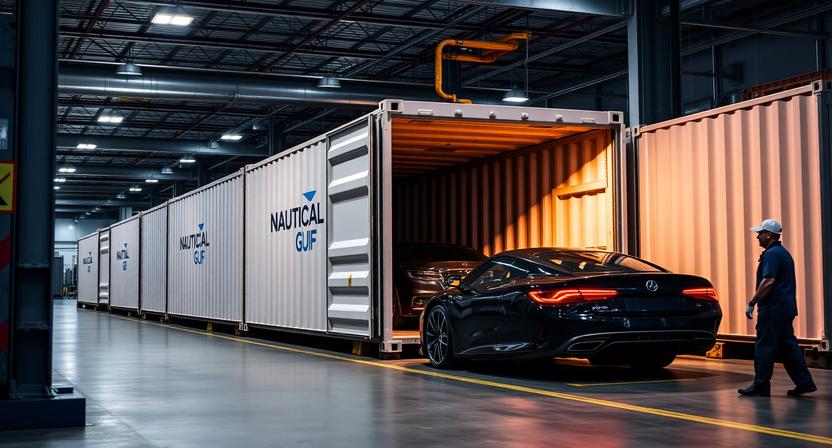
Quick Comparison: Local vs. International Chandlers
| Feature | Local Ship Chandler | International Chandler Network |
| Response Time | Extremely Fast (On-port presence) | Moderate (Relies on local agents) |
| Pricing | Flexible / Negotiable | Standardized / Fixed |
| Sourcing | Regional fresh produce & local parts | Global brands & standardized technical kits |
| Customs Knowledge | Expert in local port regulations | Generalist (Uses sub-contractors) |
| Relationship | Personal / Long-term | Transactional / Account-managed |
| Payment Terms | Cash-to-Master or local credit | Global credit lines / Monthly billing |
How to Choose the Right Provisioning Strategy
Choosing between a local or international provider is not a “one-size-fits-all” scenario. It requires an audit of your vessel’s specific route, the crew’s cultural requirements, and the technical complexity of the machinery on board.
- Analyze the Itinerary: If your vessel is on a “tramp” trade (irregular routes), a local chandler is often superior for immediate, reactive needs. For vessels on fixed “liner” services, an international contract offers predictability.
- Evaluate Technical Requirements: Are you looking for generic cabin stores or highly specific engine room seals? Local chandlers excel at finding “hard-to-get” local hardware, while international firms are better for OEM-certified parts.
- Check Compliance Standards: Ensure the provider—whether local or international—is ISO 22000 certified for food safety and adheres to the IMPA (International Marine Purchasers Association) standards.
Detailed Breakdown of the Models
The Local Ship Chandler: The Port Specialist
A local ship chandler is a business that operates specifically within one or two ports. In Dubai, these are firms with multi-generational relationships with local wholesalers and customs officials. They are the “boots on the ground.”
They understand the nuances of the local market—knowing, for instance, which local farm provides the best produce during the UAE summer or which local workshop can fabricate a deck fitting in under 12 hours. Their logistics are lean, often consisting of their own fleet of refrigerated trucks and bonded warehouses.
The International Ship Chandler: The Global Integrator
International chandlers operate as massive procurement organizations. They often have “hubs” in major ports (Rotterdam, Singapore, Dubai, Houston) and use a centralized digital platform for ordering.
When you sign a contract with an international firm, you are buying a “system.” You get a single point of contact (an Account Manager) and standardized pricing across 50+ ports. This model is built on high-volume procurement, allowing them to offer competitive prices on branded international goods.

Pros & Cons: Weighing the Maritime Advantage
Local Ship Chandlers
- Pros: High flexibility for last-minute orders; superior knowledge of local customs “red tape”; supporting the local maritime economy; ability to physically inspect goods before they reach the gangway.
- Cons: Limited reach outside their home port; potentially higher prices for imported European or American brands; smaller credit facilities.
International Ship Chandlers
- Pros: Predictable, standardized pricing; centralized invoicing for large fleets; reliable quality for international brands; robust digital portals for inventory management.
- Cons: Slower to react to emergency port-side changes; “middleman” fees for sub-contracting local delivery; less “flavor” and variety in fresh provisions compared to local sourcing.
Who is Each Model Best Suited For?
The Luxury Yacht and Small Fleet
Best Suited For: Local Ship Chandlers.
Luxury yachting requires a “boutique” touch. A local chandler in Dubai can source specific organic ingredients or high-end marine upholstery that an international “standard” catalog might miss. For small fleets, the personal relationship with a local owner ensures priority service during peak port congestion.
The Global Container Line and Tanker Fleet
Best Suited For: International Ship Chandlers.
When managing 200+ vessels, a Ship Manager needs “scalability.” International chandlers provide the data integration and global credit lines that simplify the procurement process for a head office located halfway across the world.
The Offshore Adventurer and Project Cargo
Best Suited For: A Hybrid Approach.
For specialized vessels (like seismic surveyors or heavy-lift ships), the technical stores are often managed by an international firm, while the fresh provisions and “husbanding” services are handled by a local expert to ensure the highest quality for the crew.
Cost and Value Comparison
The cost difference between the two models is often a trade-off between Unit Price and Logistics Overhead.
- Local Chandlers may have a slightly higher unit price for imported dry goods, but their delivery fees and “hidden” agency costs are usually lower because they own the local infrastructure.
- International Chandlers offer lower unit prices on dry goods through bulk buying, but you may find “logistics coordination fees” added to the bill when they have to outsource a delivery in a remote port.
Common Selection Mistakes
- Price-Only Decision Making: Choosing a chandler based solely on a “Quote Comparison” often leads to poor quality food or late deliveries. A cheap quote doesn’t matter if the provisions arrive after the vessel has sailed.
- Ignoring the “Vetting” Process: Many operators fail to audit the chandler’s warehouse. Whether local or international, a chandler must have cold-chain integrity to prevent foodborne illnesses on board.
- Underestimating Local Customs: International firms sometimes fail to account for local port holidays or specific documentation (like “Mirsal 2” in Dubai), leading to cargo being held at the port gate.

FAQs
1. What exactly does a ship chandler do?
A ship chandler is a one-stop shop for a vessel’s needs, providing everything from fresh food and drinking water to engine room spare parts, deck chemicals, and cabin cleaning supplies.
2. Is it better to use a local chandler in Dubai?
For fresh provisions and urgent technical stores, local chandlers in Dubai are often faster and more knowledgeable about Jebel Ali Port’s specific security and gate protocols.
3. What is an IMPA number?
The International Marine Purchasers Association (IMPA) publishes a catalog of standardized numbers for marine products. This allows a ship’s officer to order a part by number, ensuring the chandler provides the exact item regardless of language barriers.
4. How do chandlers handle “Bonded Stores”?
Bonded stores (like tobacco and alcohol) are kept in a tax-free warehouse. Chandlers must be licensed to transport these goods under customs seal to the vessel.
5. Can a chandler help with crew changes?
While their primary role is supplies, many local chandlers also offer “husbanding services,” which can include coordinating crew transport and medical visits.
6. Do international chandlers own their own trucks?
In major hubs, yes. However, in smaller ports, they often sub-contract the physical delivery to a local provider.
7. What is “Cash-to-Master” (CTM)?
This is a service where a chandler delivers physical currency to the Captain for crew wages or local expenses, often as part of their delivery.
8. How do I verify the quality of a local chandler?
Look for memberships in ISSA (International Shipsuppliers & Services Association) and check their track record with local port authorities.
Conclusion: Making the Strategic Choice
The choice between local vs international ship chandlers ultimately hinges on your operational priorities. If you value agility, fresh local sourcing, and deep port-specific knowledge, the local chandler is your strongest ally. If you require global consistency, centralized digital reporting, and cross-port credit, an international network is the logical path.
At Nautical Gulf, we believe the most successful maritime operations are those that leverage the strengths of both. By understanding the local landscape of Dubai and the international standards of global shipping, we help you make procurement decisions that protect both your crew and your bottom line.
Would you like a strategic audit of your vessel’s provisioning needs in Dubai? Contact our maritime supply team today.



Leave a Comment