
Table of Contents
Bleeding After Periods Treatment in Vizag | Causes & Treatment | 2026
Bleeding after periods can happen due to hormonal imbalance, ovulation spotting, infections, cervical issues, polyps, fibroids, or uterine lining changes. The safest approach is to consult a gynecologist for evaluation with a pelvic exam and ultrasound—especially if bleeding after periods happens repeatedly or is accompanied by pain.
2. Introduction
Bleeding that happens after your period ends can feel deeply unsettling.
Most women expect a clear pattern:
period starts → lasts 3–6 days → ends → cycle continues normally.
So when spotting or bleeding appears again after the period is “over,” it immediately raises questions:
- “Is something wrong?”
- “Is this pregnancy?”
- “Is it infection?”
- “Could it be fibroids?”
- “Is this cancer?”
In Vizag and Visakhapatnam, this concern is extremely common—especially among:
- first-time married women
- women trying to conceive
- women with PCOS
- women in their late 30s and 40s
The internet can make the fear worse, because it lists every possible cause—from harmless hormonal changes to serious disease—without helping you understand what applies to you.
This doctor-led guide will help you understand:
- why bleeding after periods happens
- which symptoms are normal vs concerning
- what tests are usually needed
- how doctors plan treatment
- when to consult a gynecologist in Vizag
3. What Exactly Counts as Bleeding After Periods?
Bleeding after periods means:
- spotting or bleeding that occurs after your period has already ended
- bleeding that happens 2–7 days after the last day of flow
- brown discharge, pink spotting, or fresh red bleeding after periods
This is different from:
- heavy periods
- delayed periods
- mid-cycle spotting
- bleeding after intercourse
However, clinically, these symptoms often fall under AUB (Abnormal Uterine Bleeding) and need structured evaluation.
4. Is Bleeding After Periods Normal?
Sometimes yes. Often no.
It can be normal if:
- it happens once
- it is very light spotting
- it occurs after intense stress or travel
- it happens around ovulation
- it occurs after starting or stopping hormonal medication
It needs evaluation if:
- it happens repeatedly
- it becomes heavier
- it is associated with pain, odor, itching
- it happens after sex
- it occurs in women above 35–40 years
- it is associated with infertility concerns
A good gynecologist does not treat bleeding after periods blindly—because the cause can vary widely.
5. Common Causes of Bleeding After Periods
Let’s break this down clearly. Most causes fall into 3 categories:
- hormonal
- infections/cervical causes
- structural uterine causes
1) Hormonal imbalance (very common)
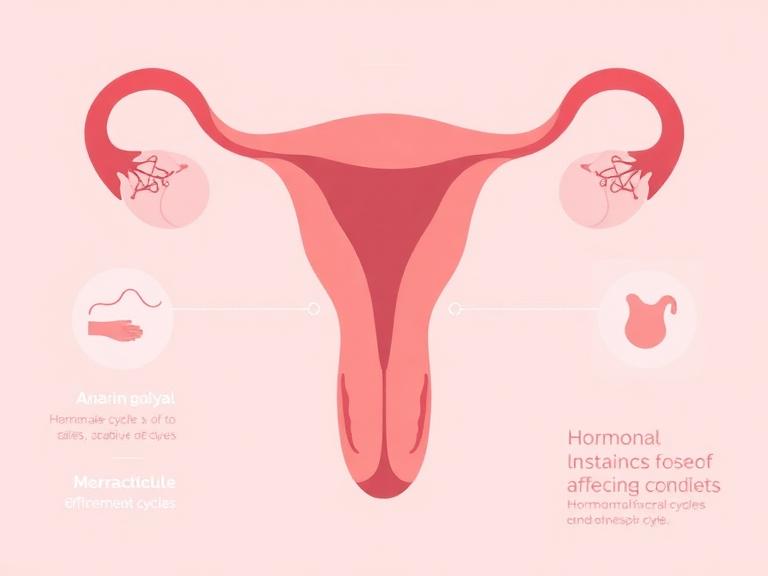
Hormonal imbalance can cause:
- incomplete shedding of uterine lining
- delayed endometrial shedding
- spotting after the main flow ends
This is common in:
- PCOS
- thyroid imbalance
- stress-related cycle changes
- postpartum hormonal shifts
- perimenopause
Hormonal imbalance is one of the most frequent reasons women seek care for bleeding after periods in Vizag.
2) Ovulation spotting
Some women notice light spotting around ovulation (mid-cycle).
This is usually:
- light
- painless
- lasts 1–2 days
However, women often mistake it for bleeding after periods if their cycle is irregular or short.
3) PCOS-related cycle disturbances
PCOS can cause:
- delayed ovulation
- irregular shedding
- spotting patterns that confuse women
PCOS may cause bleeding after periods especially when:
- cycles are long
- uterine lining thickens due to missed ovulation
- bleeding becomes prolonged and patchy
4) Thyroid imbalance
Thyroid disorders can cause:
- prolonged spotting
- irregular bleeding patterns
- delayed cycles followed by prolonged bleeding
Thyroid-related bleeding after periods is treatable once diagnosed.
5) Cervical erosion (cervicitis)
Cervical issues are a common cause of:
- spotting after periods
- bleeding after intercourse
- watery discharge
It is usually not dangerous but requires evaluation.
6) Vaginal or cervical infections
Infections can cause:
- spotting
- burning
- foul-smelling discharge
- pelvic discomfort
This is a common reason for bleeding after periods in women who also have itching or discharge.
7) Uterine polyps
Polyps are small growths inside the uterus.
They can cause:
- spotting after periods
- bleeding between cycles
- bleeding after sex
- fertility issues (sometimes)
Polyps are one of the most important causes doctors check when bleeding after periods becomes recurrent.
8) Fibroids
Fibroids may cause:
- heavy bleeding
- prolonged bleeding
- spotting after periods
- clots
Some fibroids distort the uterine cavity and cause bleeding irregularity.
9) Adenomyosis
Adenomyosis can cause:
- prolonged periods
- spotting after periods
- painful cramps
10) Pregnancy-related causes
Bleeding after periods can sometimes be mistaken for:
- implantation bleeding
- early pregnancy bleeding
- miscarriage spotting
- ectopic pregnancy
If you are sexually active, pregnancy must always be ruled out.
11) Medication-related causes
Spotting can happen due to:
- emergency contraception
- hormonal pills
- IUD (Copper-T)
- anticoagulants
12) Endometrial changes (more important in women 40+)
In women above 40, persistent bleeding after periods needs evaluation to rule out:
- endometrial hyperplasia
- precancerous changes
- rare malignancy
This does not mean cancer is likely—but it means evaluation is essential.
6. Symptoms That Suggest You Should See a Doctor Soon
Consult a gynecologist in Vizag if bleeding after periods is associated with:
- pelvic pain
- foul-smelling discharge
- fever
- bleeding after intercourse
- heavy bleeding or clots
- weakness or anemia symptoms
- spotting for more than 7–10 days
- irregular cycles for months
- age above 35–40
7. When Bleeding After Periods Becomes an Emergency
Seek urgent care if:
- bleeding is heavy (soaking pads)
- severe pain occurs
- dizziness or fainting occurs
- pregnancy test is positive with bleeding
- severe one-sided pain occurs (possible ectopic pregnancy)
8. What a Gynecologist Does During Evaluation
A good evaluation is structured and respectful.
Most women worry about exams, but a proper gynecologist ensures:
- privacy
- consent-based examination
- gentle communication
- clear explanation
Evaluation for bleeding after periods usually includes:
1) Detailed history
- cycle length and duration
- timing of spotting
- relation to intercourse
- pregnancy possibility
- medication history
- discharge symptoms
- fertility goals
2) Clinical examination
- pelvic exam if required
- cervix evaluation for erosion/infection
3) Ultrasound
The most important test for recurrent bleeding after periods.
9. Tests Commonly Recommended
Most cases can be evaluated with basic tests.
A) Pregnancy test
If sexually active, always.
B) Pelvic ultrasound
Checks:
- endometrial thickness
- polyps
- fibroids
- adenomyosis signs
- ovarian cysts / PCOS pattern
C) Pap smear (if due)
Pap smear helps evaluate cervical health.
D) Infection tests (if symptoms present)
If discharge or burning is present, tests may be advised.
E) Blood tests
- hemoglobin (anemia)
- thyroid profile (TSH)
- sugar profile (if PCOS suspected)
F) Endometrial biopsy (selected cases)
Recommended if:
- age above 40
- endometrial lining is thick
- bleeding is persistent
- risk factors: obesity, diabetes, long-term PCOS
This is part of safe care for bleeding after periods.
10. Treatment Options for Bleeding After Periods (Based on Cause)
The right treatment depends on diagnosis.
1) If the cause is hormonal imbalance
Treatment may include:
- cycle regulation
- correcting thyroid imbalance
- managing PCOS
- lifestyle support
The goal is not just to stop spotting but to restore cycle rhythm.
2) If the cause is infection
Treatment includes:
- targeted medication
- hygiene guidance
- partner evaluation (in some cases)
Treating infection often resolves bleeding after periods quickly.
3) If the cause is cervical erosion
Treatment may involve:
- infection treatment if present
- cervical care measures
- monitoring and Pap smear follow-up
4) If the cause is polyps
Polyps may need removal if:
- bleeding is persistent
- fertility is affected
- polyp is large
After removal, many women see major improvement.
5) If the cause is fibroids
Treatment depends on:
- size and location
- severity of bleeding
- age
- fertility goals
Some fibroids can be managed medically, while others need surgical planning.
6) If the cause is adenomyosis
Treatment focuses on:
- reducing bleeding
- controlling pain
- improving quality of life
7) If the cause is perimenopause
In perimenopause, treatment aims to:
- rule out uterine lining issues
- reduce heavy/prolonged bleeding
- correct anemia
- maintain quality of life
11. Why Repeated Spotting Should Not Be Self-Treated
Many women try:
- random hormonal pills
- home remedies
- “period tablets”
- antibiotics without tests
This is risky because:
- it delays diagnosis
- polyps/fibroids may grow
- anemia can worsen
- thyroid issues remain untreated
The safest approach is proper evaluation and guided treatment.
12. Bleeding After Periods and Fertility: What You Should Know
Women trying to conceive often worry:
“Is this affecting my fertility?”
Bleeding after periods may affect fertility if it is due to:
- polyps
- fibroids affecting uterine cavity
- chronic infection
- hormonal imbalance preventing regular ovulation
If you’re planning pregnancy, it’s wise to consult early and plan treatment.
13. Common Emotional Struggles Women Face
This symptom often creates emotional stress, including:
Fear and uncertainty
Because bleeding feels like something “wrong.”
Shame or hesitation to consult
Many women delay because they feel uncomfortable discussing spotting.
Confusion due to internet information
Online content often exaggerates risk.
Need for reassurance
A supportive gynecologist is essential, not just for treatment but for emotional comfort.
14. Why Vedanta Speciality Clinics Is a Preferred Choice in Vizag (Non-Promotional)
Women searching for evaluation for bleeding after periods in Vizag often want:
- a doctor who listens carefully
- clear explanation of tests and results
- ultrasound-based diagnosis
- privacy and comfort
- continuity of care
Vedanta Speciality Clinics and Vedanta Women and Children’s Hospital in Madhurawada, Visakhapatnam provide women-focused care for:
- menstrual cycle concerns
- PCOS and hormonal imbalance
- fibroids, polyps, ovarian cysts
- pregnancy and delivery care
- gynecological evaluation and follow-up
15. Doctor’s Insight: Dr. Radhika Dhanekula Explains…
“Bleeding after periods is a common concern and can happen due to hormonal changes, infections, cervical issues, or uterine causes like polyps and fibroids. The most important step is to identify the cause with a proper history, examination when needed, and ultrasound. Once we know the reason, treatment becomes straightforward and safe.”
Dr. Radhika Dhanekula is an Obstetrician, Gynecologist, and Laparoscopic Surgeon (Obs & Gyn) with 14 years overall experience (including 5 years as specialist). Her approach commonly focuses on:
- diagnosis-first care
- patient reassurance and clear counseling
- evidence-based treatment
- continuity of care for menstrual and pregnancy concerns
Education:
- MS OBGYN – Andhra Medical College, Visakhapatnam
- MBBS – Dr. NTR University of Health Sciences
16. When Should You Consult a Gynecologist?
Consult if bleeding after periods occurs:
Immediately if:
- pregnancy test is positive
- bleeding is heavy
- pain is severe
- fever is present
Within 1–2 weeks if:
- spotting repeats for 2–3 cycles
- bleeding occurs after intercourse
- discharge and itching are present
- you are trying to conceive
As soon as possible if:
- you are above 40
- bleeding is persistent
- anemia symptoms are present
17. FAQs (People-Also-Ask Style)
1) Is bleeding after periods normal?
Occasional light spotting can happen due to hormonal fluctuations, but repeated bleeding after periods should be evaluated to rule out polyps, infections, fibroids, or hormonal imbalance.
2) What causes bleeding after periods?
Common causes include hormonal imbalance, ovulation spotting, PCOS, thyroid issues, infections, cervical erosion, uterine polyps, and fibroids.
3) Can PCOS cause bleeding after periods?
Yes. PCOS can cause irregular ovulation and thickened uterine lining, which may lead to spotting or prolonged bleeding patterns.
4) What tests are needed for bleeding after periods?
Tests may include a pregnancy test, pelvic ultrasound, thyroid test, hemoglobin, Pap smear (if due), and infection evaluation if symptoms are present.
5) Is bleeding after periods a sign of pregnancy?
It can be, especially if it is implantation-related or early pregnancy bleeding. Pregnancy should always be ruled out in sexually active women.
6) Can fibroids cause bleeding after periods?
Yes. Fibroids can cause heavy bleeding, prolonged periods, and spotting after the main flow ends.
7) When should I see a gynecologist for bleeding after periods?
You should consult if it repeats for more than 2 cycles, occurs with pain, odor, bleeding after sex, or happens in women above 35–40 years.
8) Is bleeding after periods serious?
Most causes are treatable and not dangerous, but persistent bleeding should be evaluated to rule out uterine lining changes and structural causes.



Leave a Comment